
HEARTSongs 26: The Power of Love Recap
Valentine’s Day opened HEARTS 5th anniversary at Cedar Grove with HEARTSongs ‘26: The Power of Love, but not in chocolate and rose petals, but in stories, music, dance, and history that explored what love really is. HEARTSongs 26 leaned into “H” for history in HEARTS, bringing together artists, historians, and community voices to create an afternoon of connection and reflection for all to enjoy.
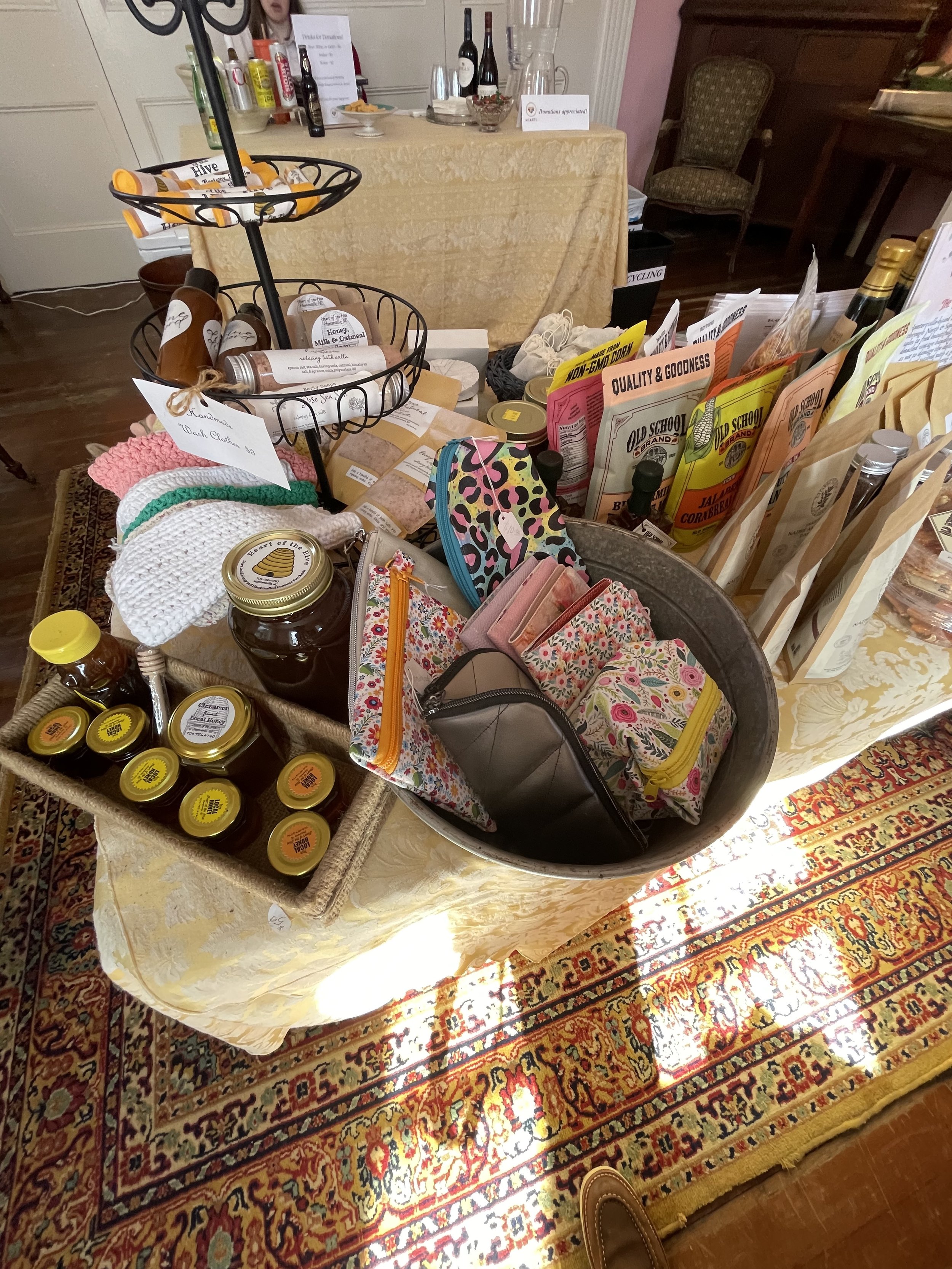
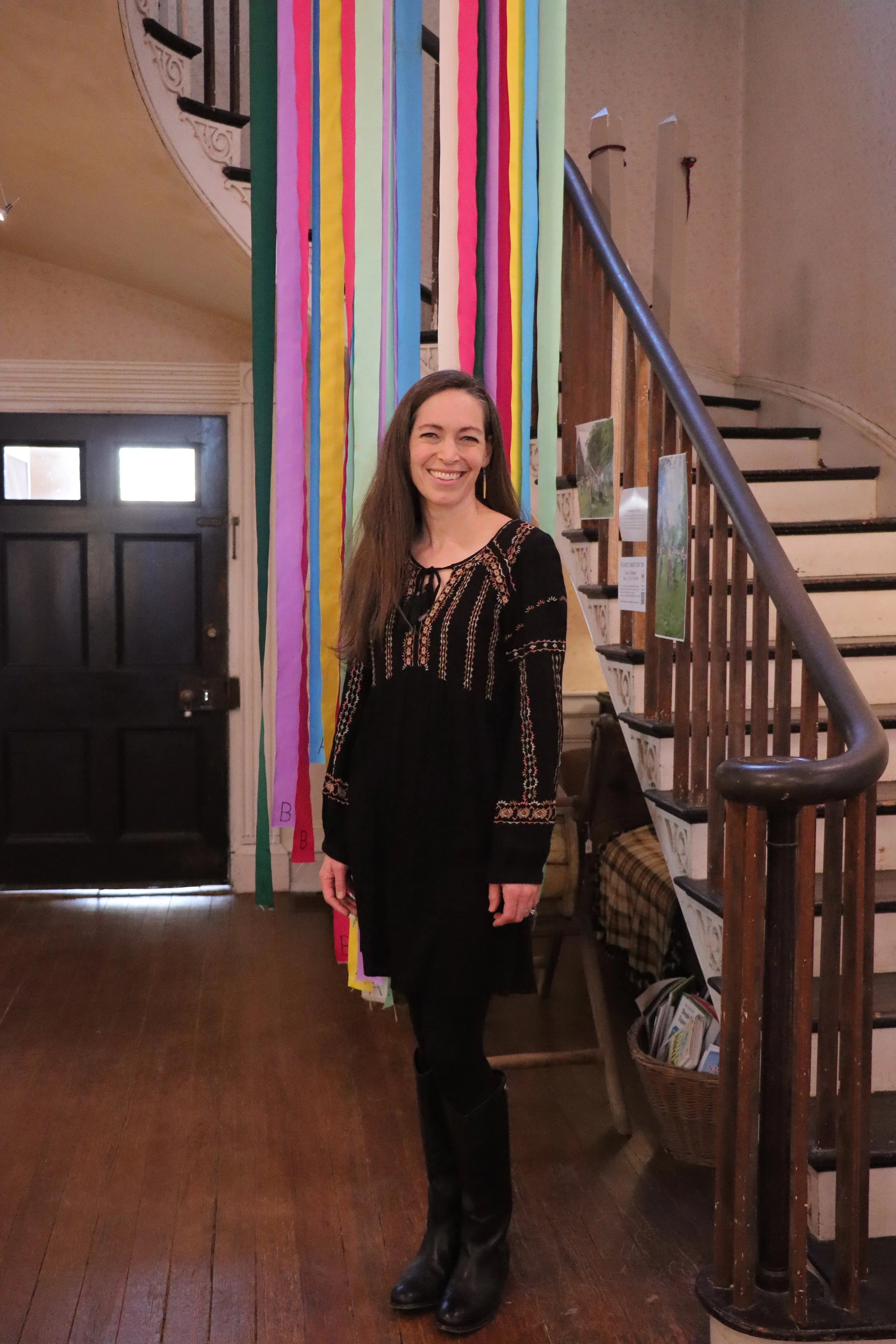
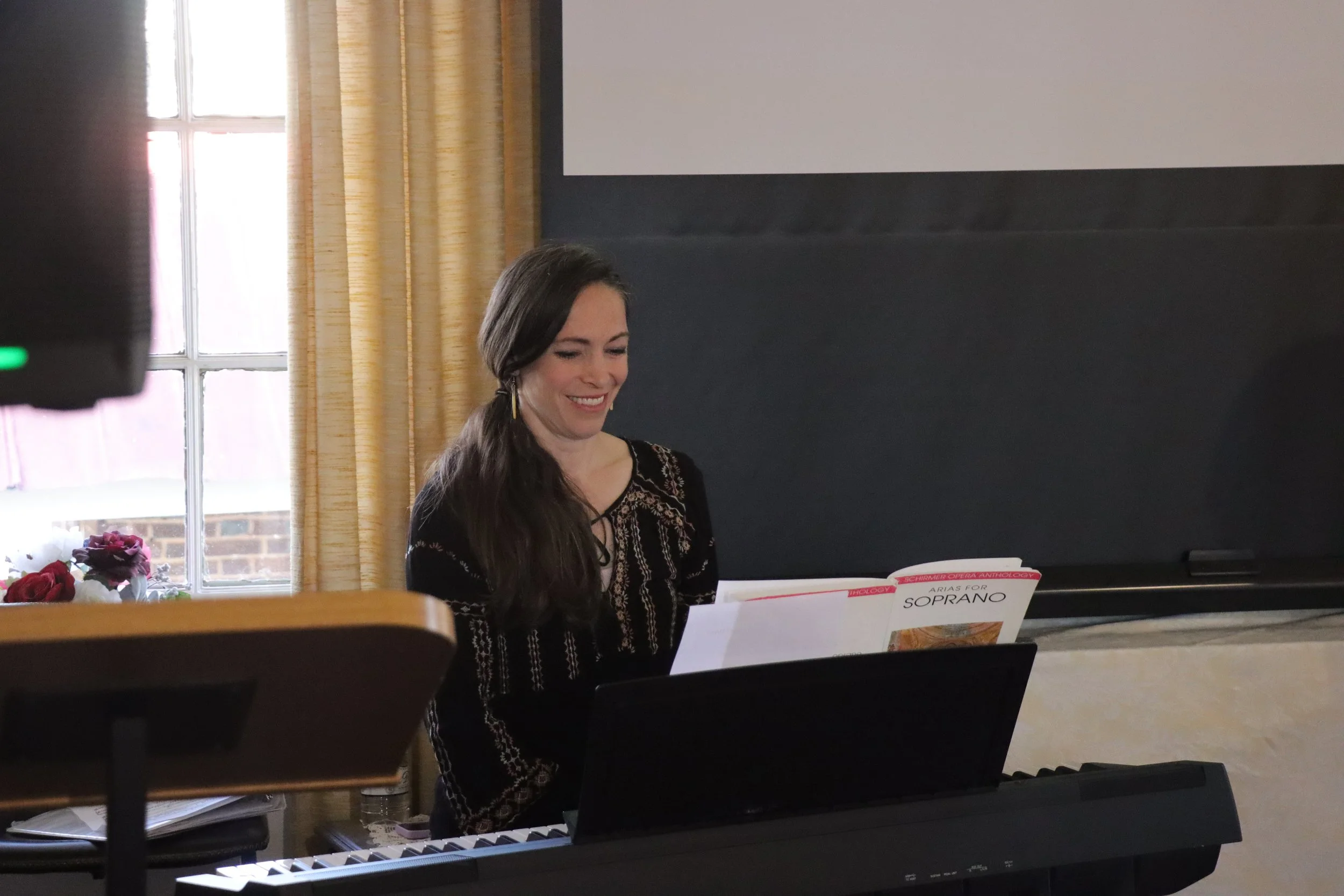
Guests arrived, greeted by music from the talented pianist Jennifer Gosselin, whose skills set an ambiance that felt both thoughtful and lived-in. The Pink Room was open and welcoming, offering a space to grab a beverage and explore some of the offerings that The Hugh Torance House and Store sells before the program began.
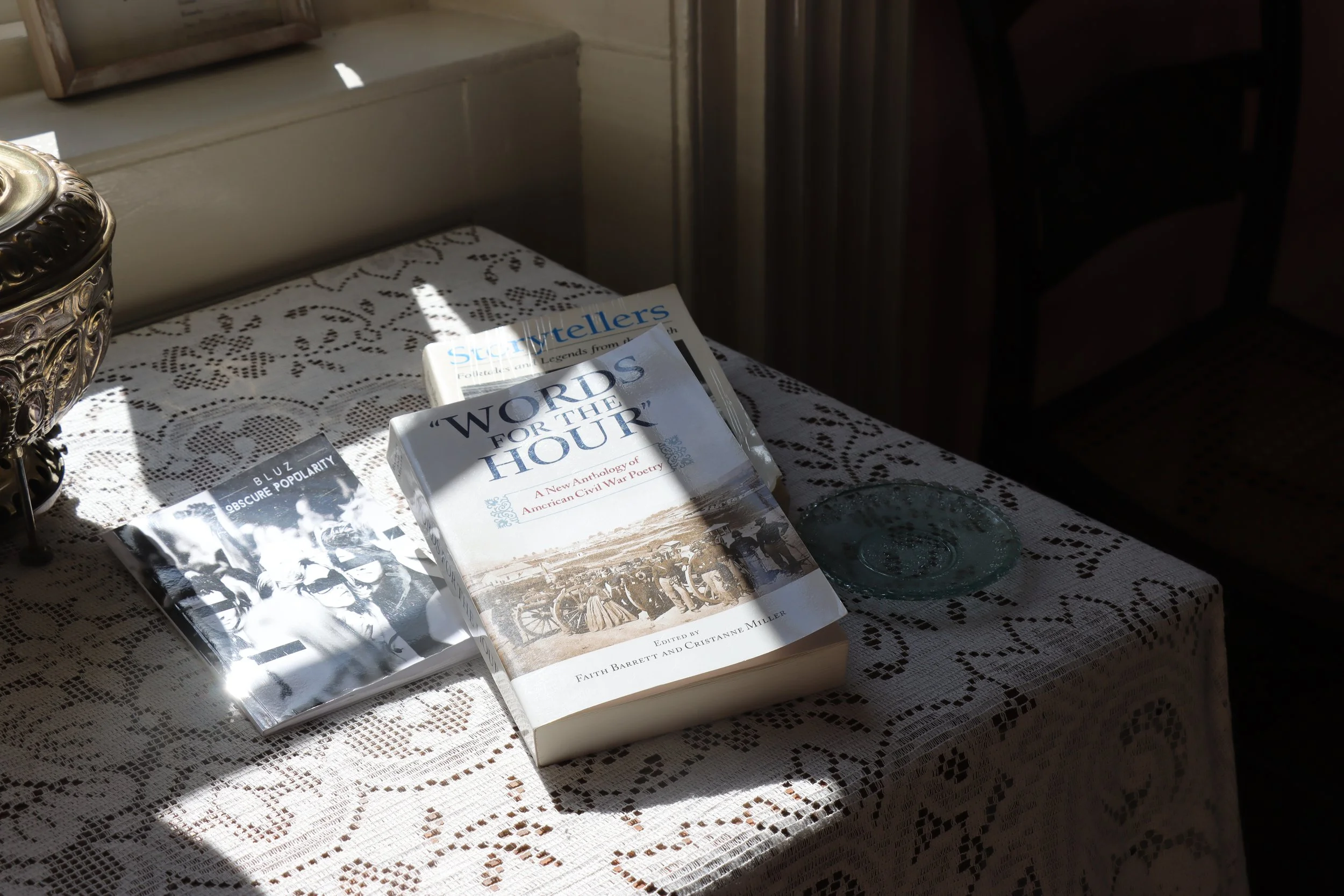
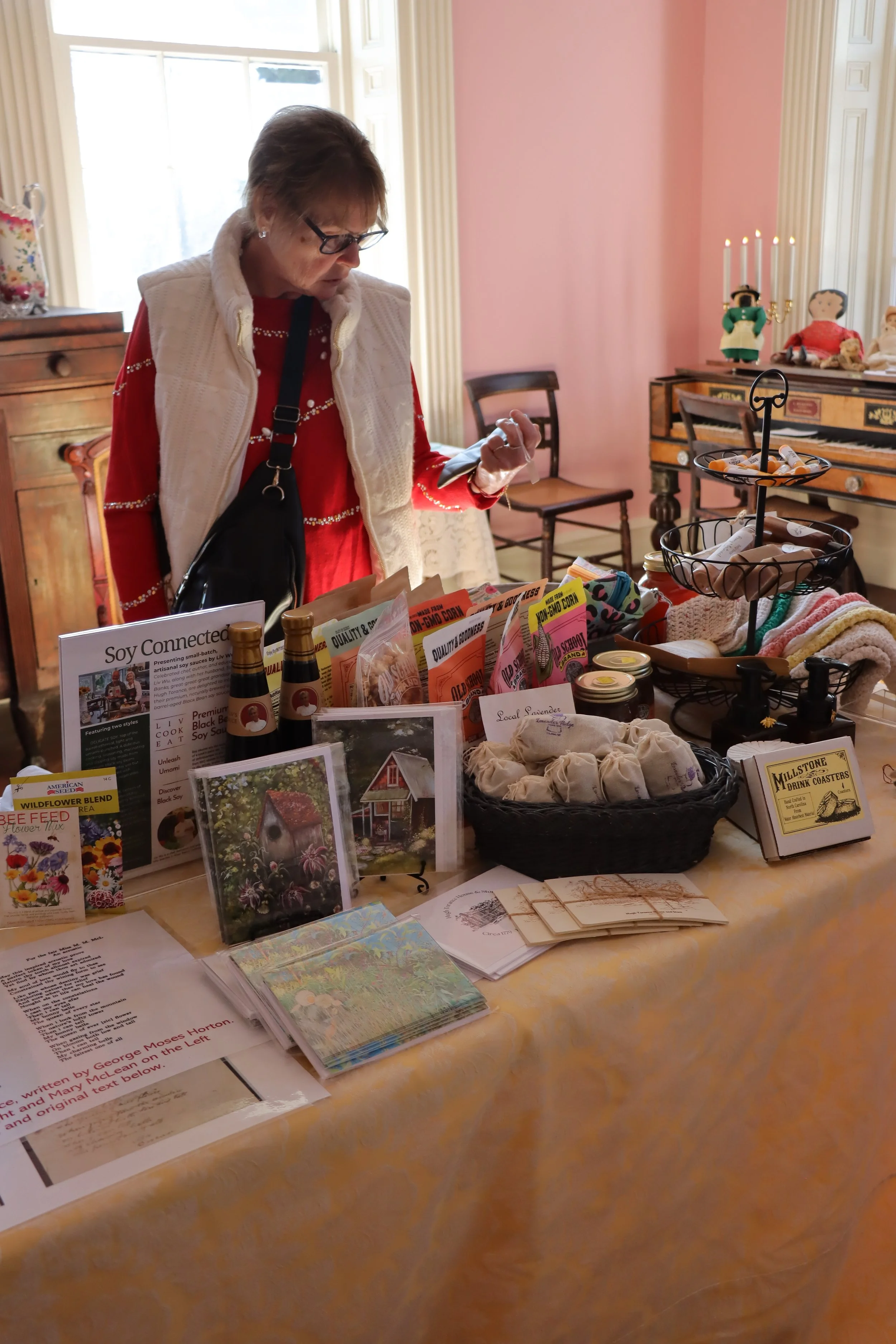
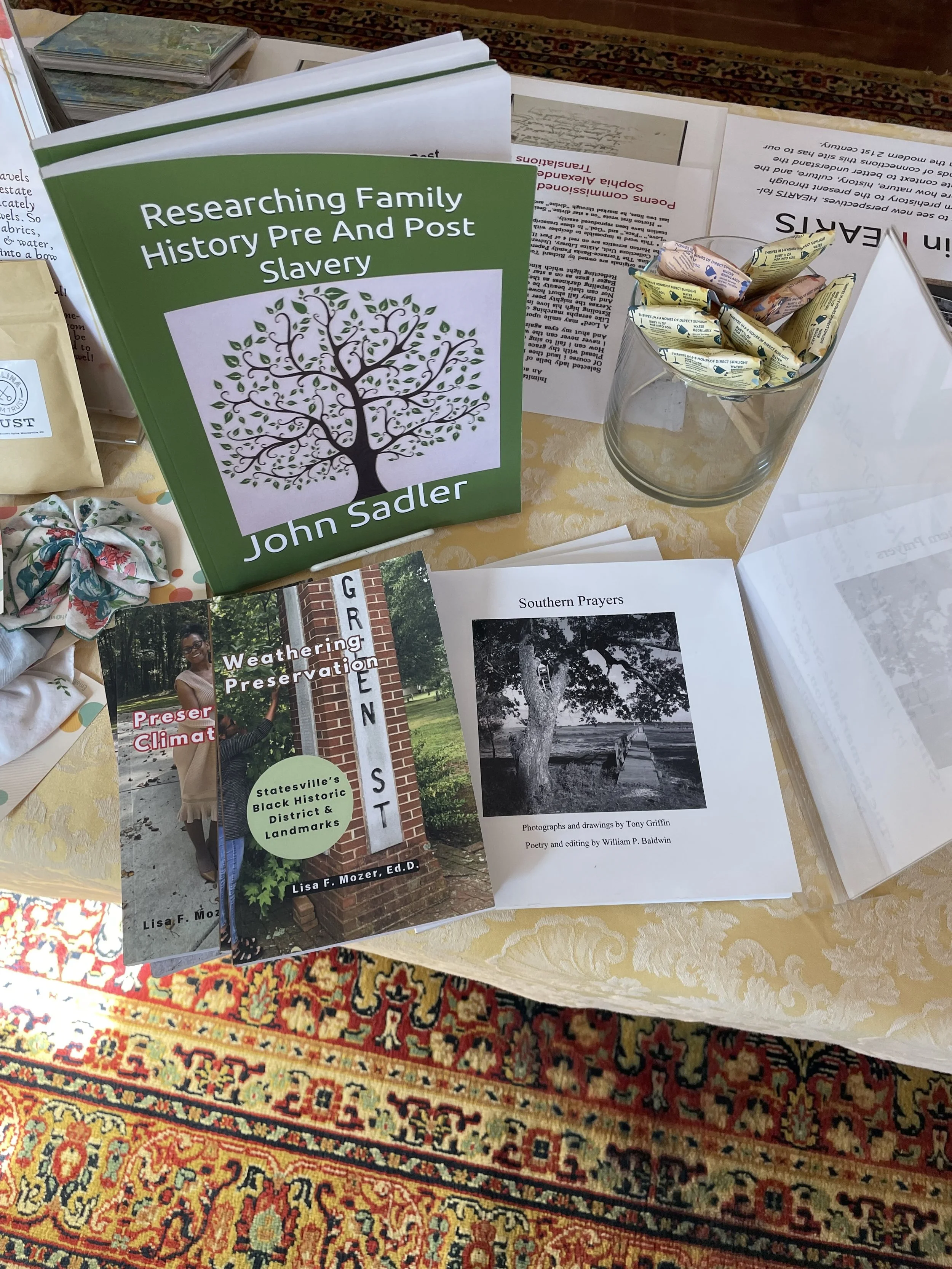
The day’s history presentation was inspired by Richard Torrance's connection to the legacy of George Moses Horton. Horton, who was a poet from North Carolina who was born into slavery, developed a love of language that compelled him to teach himself to read, write, and ultimately compose poetry. His poems, some of which were commissioned by students at the University of Chapel Hill to win sweethearts’ affections, were his testament of endurance, self-dedication, and imagination to beat impossible odds.
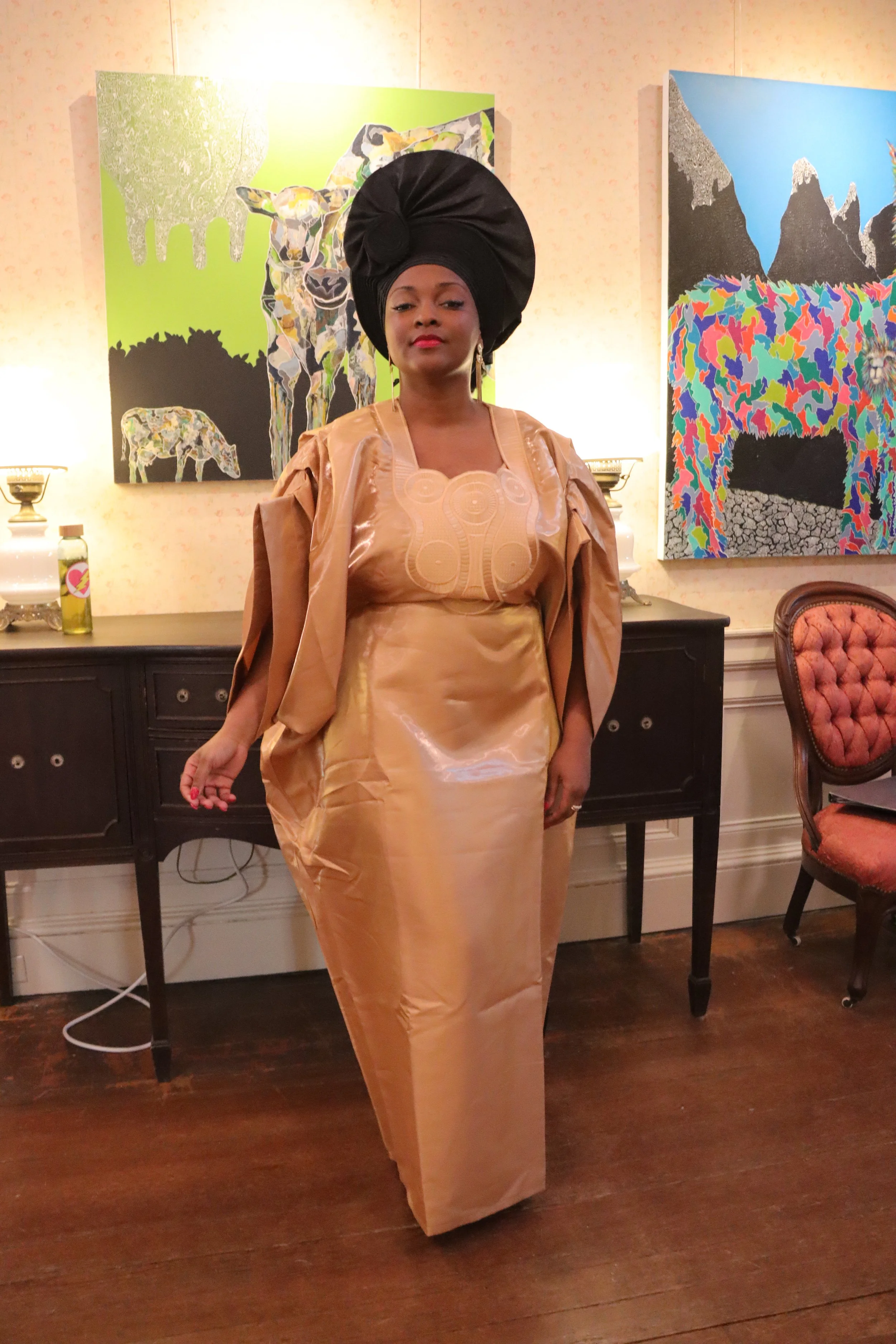
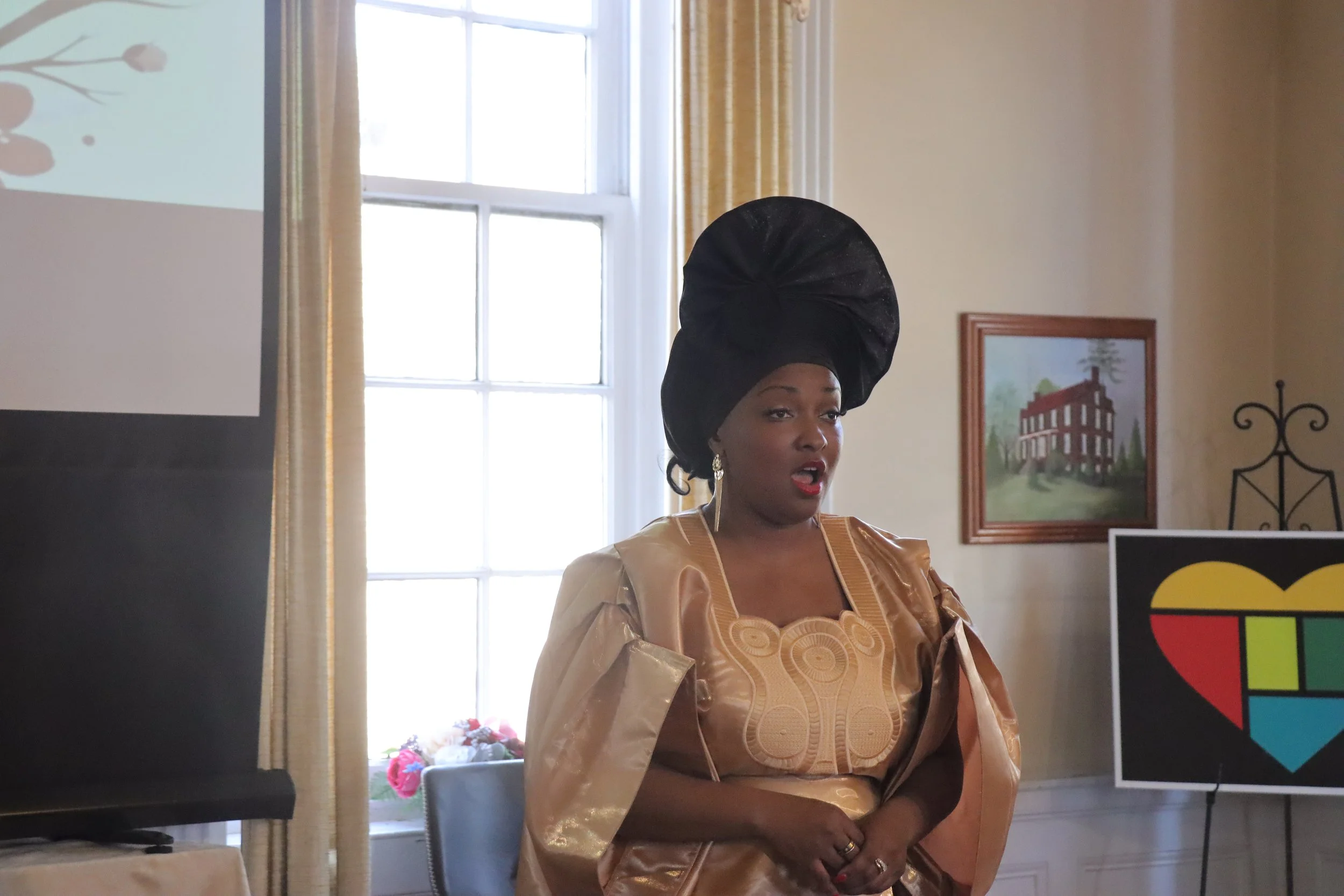
Our program opened with music from international opera vocalist Natasha Witherspoon, accompanied by pianist Jennifer Gosselin. Natasha spoke about her own journey in music, how singing Italian art songs and spirituals reminded her, and all of us, that identity and artistry are inseparable. Her voice was deeply moving, with no mic needed due to the incredible acoustics of the Cedar Grove parlor.
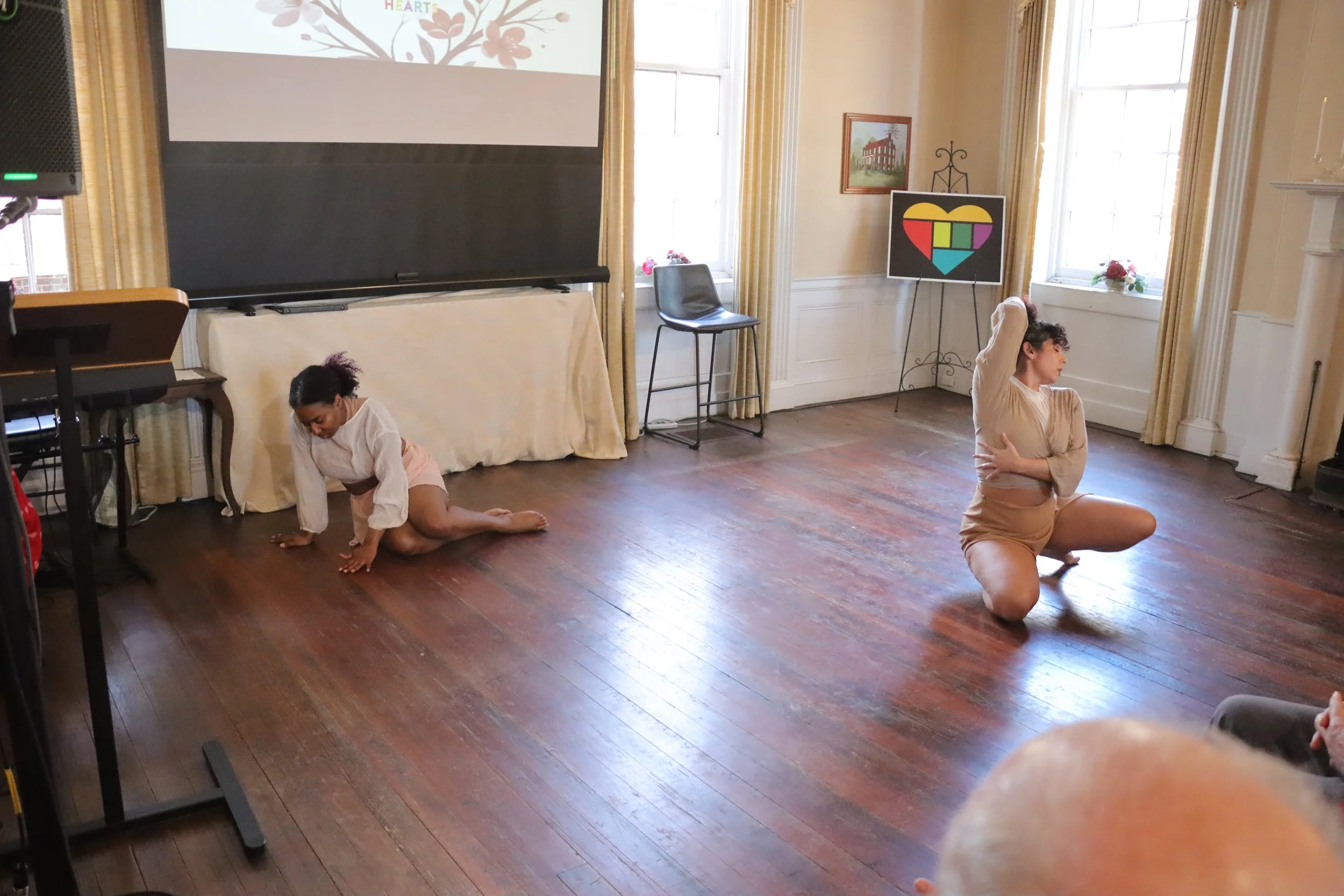
Once Natasha and Jennifer concluded their first set together, our attention was quickly turned into movement. We had the pleasure of introducing Audrey Baran, founder and artistic director of the contemporary dance company, Baran Dance, to the stage to share insights on the featured performance, “Before I Forgot,” by dancers Sharon Dunson and Danielle Roman Curtis. “Before I Forgot” is a contemporary dance piece using physical motion to explore memory, longing, and the many faces love can have. The choreography, music, and the performers' movements spoke volumes throughout each gentle gesture.
Welcoming Jennifer and Natasha back to the stage for another immersive and beautiful act, Natasha had the chance to reflect on her journey as an opera singer and what it has meant to navigate the journey of language, culture, and identity on a global stage. She shared that early in her career, she learned how important it was to understand multiple languages, but also realized how often people assume that “if you can sing in these languages, you can speak in these languages.”
Her first international experience performing in Russia, it sparked a turning point. “I am Black, and I’m singing opera, and I’m in this beautiful hotel,” she recalled, a moment that made her confront how she was seen, and how she saw herself, beyond the U.S.
Through that experience, Natasha learned a deeper truth that “No matter how I may proceed from one country to the next…one thing remains, and that is, I must love who I am.” Her realization led to the exploration of European repertoire, as well as her own roots as an African American opera singer.
Today, she embraces both worlds, noting that “they both can coexist,” because “love is love is love.”
Following into her next piece “Sure On This Shining Night” by Samuel Barber, she described it as “a love song to the universe” and a reflection on honoring the land, environment, and the quiet power of the night.
In the Center Hall, a new art exhibit opened called “Love Transcends,” curated in partnership with Nine Eighteen Nine Studio Gallery. Local Charlotte-based artists Tina Alberni, Princess Cureton, and Ani Todd shared their work that invited guests to wander slowly, take in color and texture, and reflect on how love shows up in both narrative and abstraction.
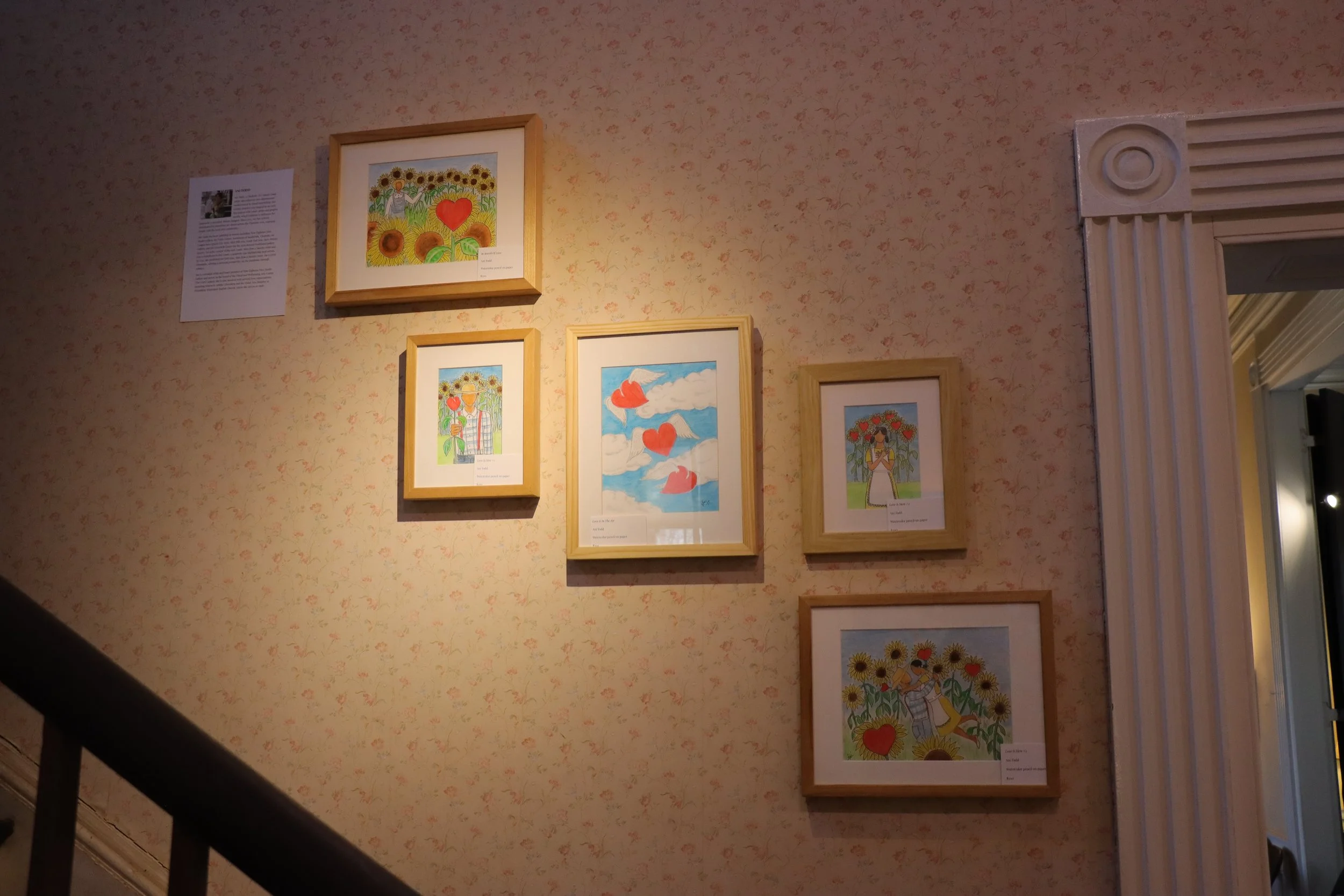
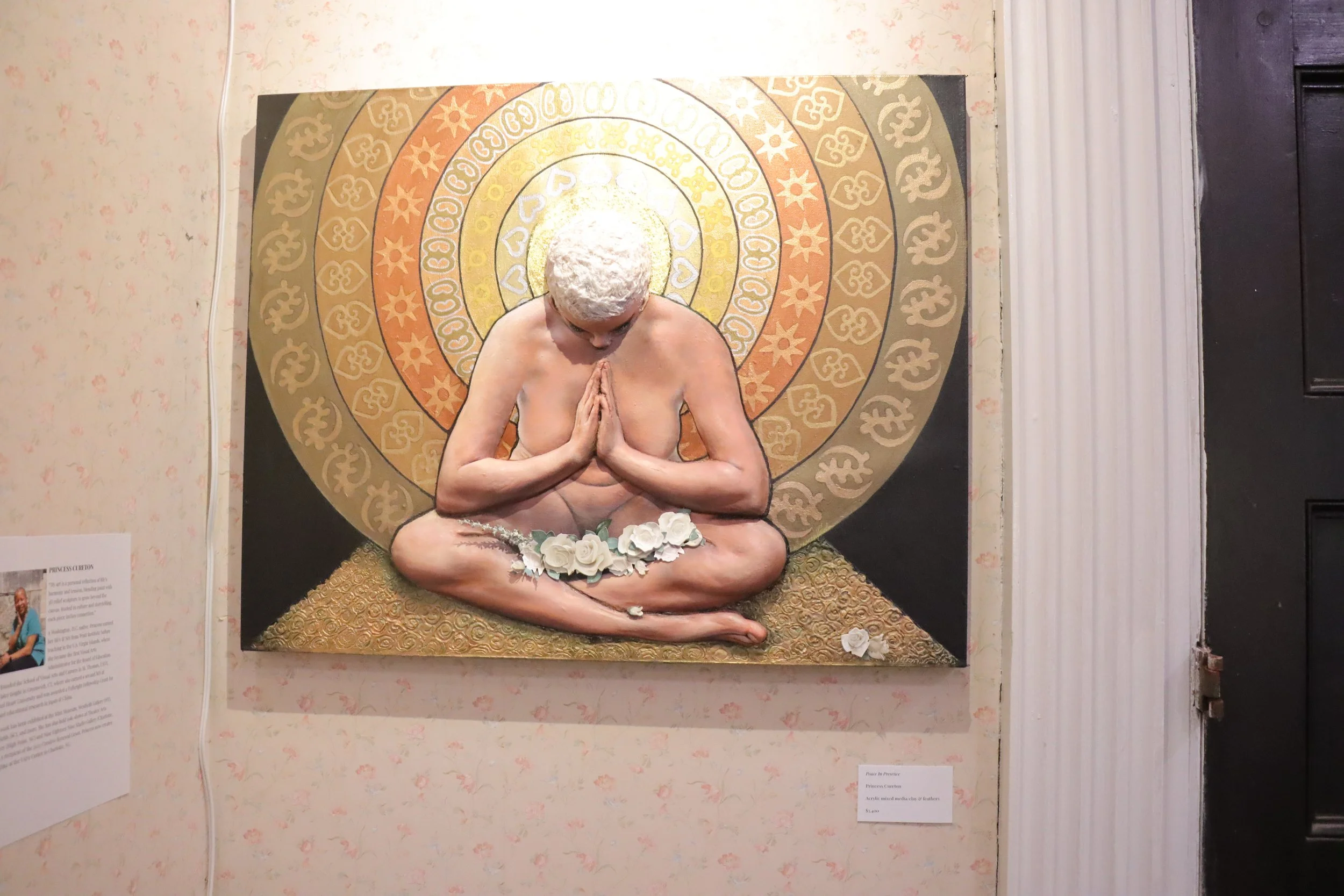
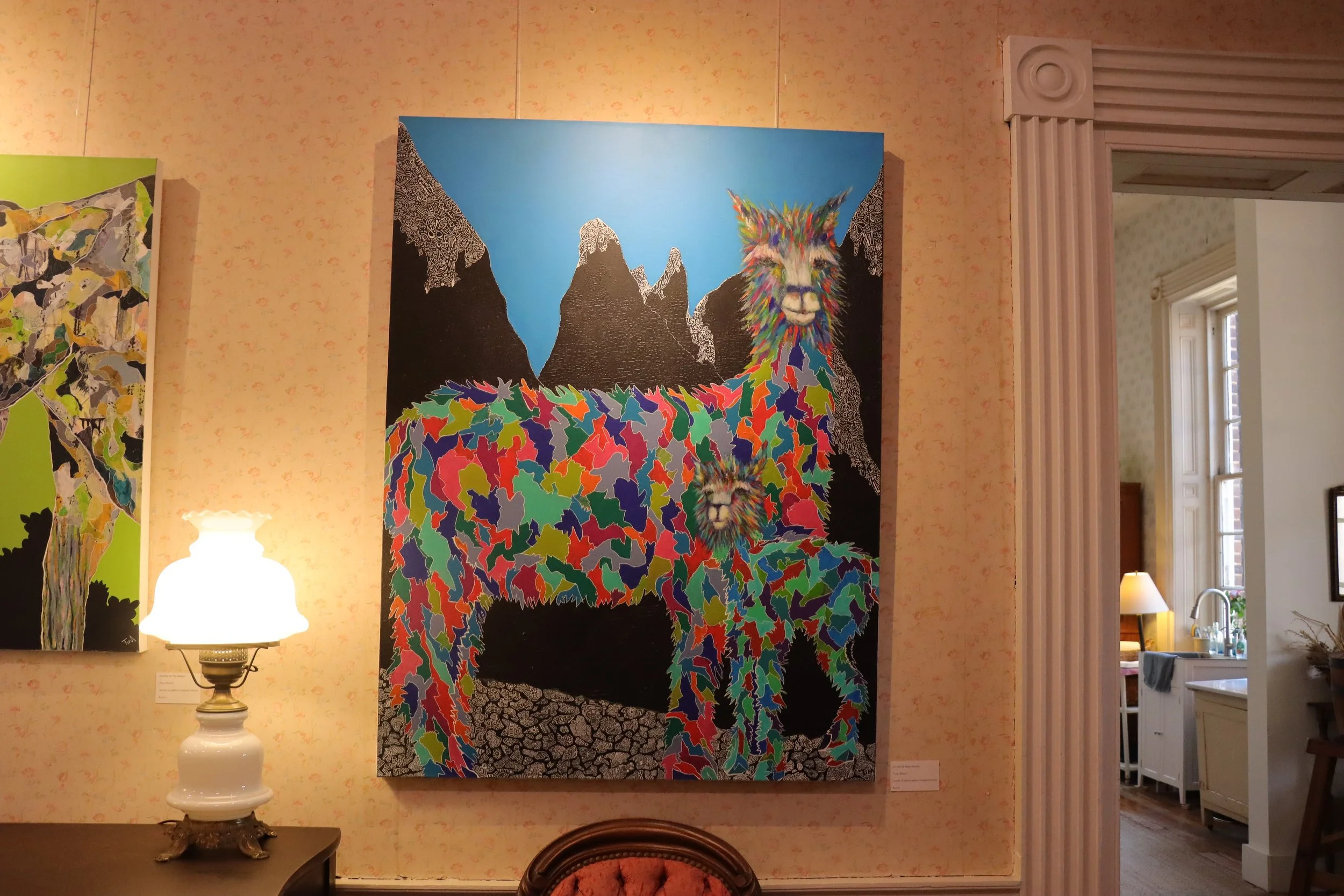
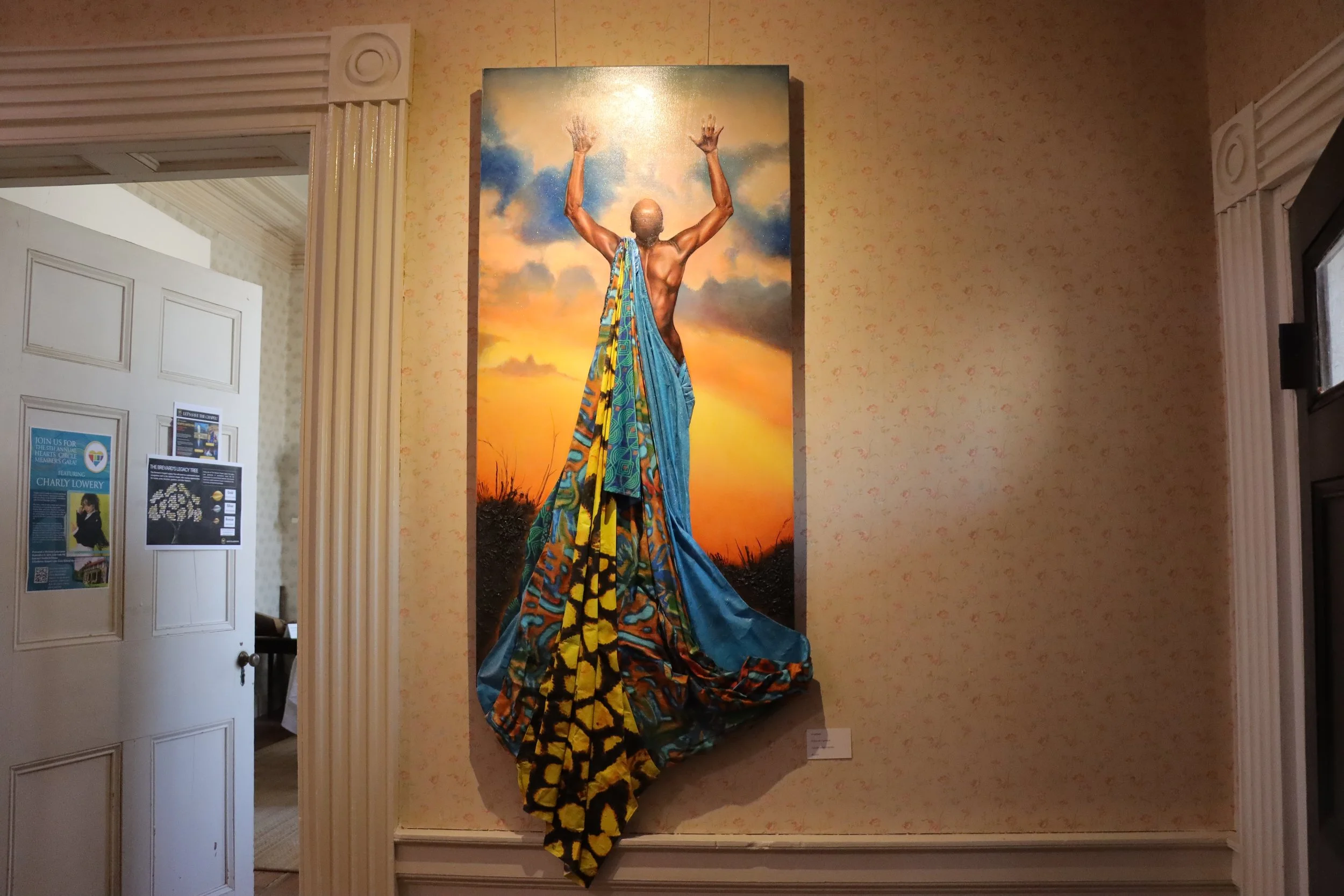
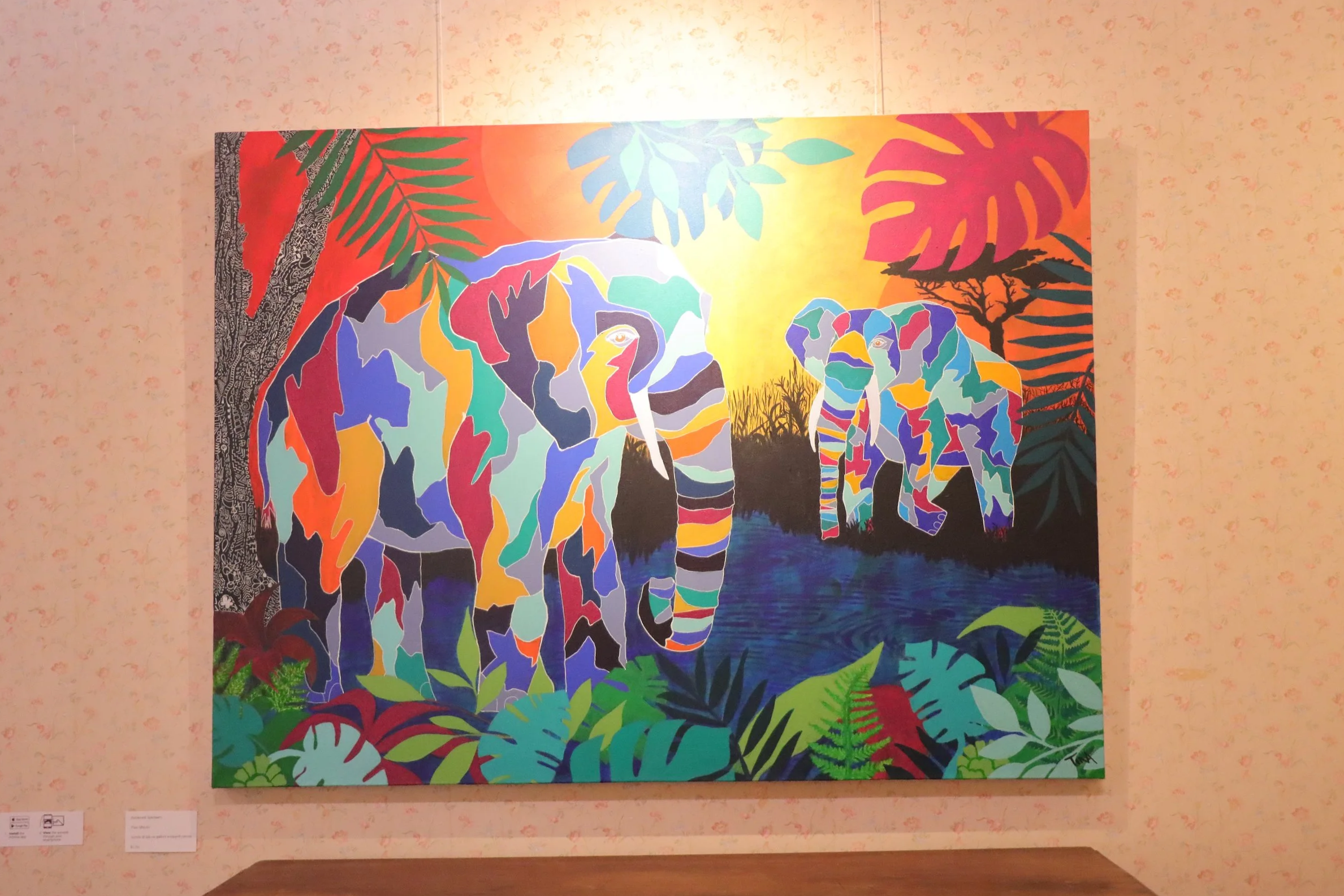
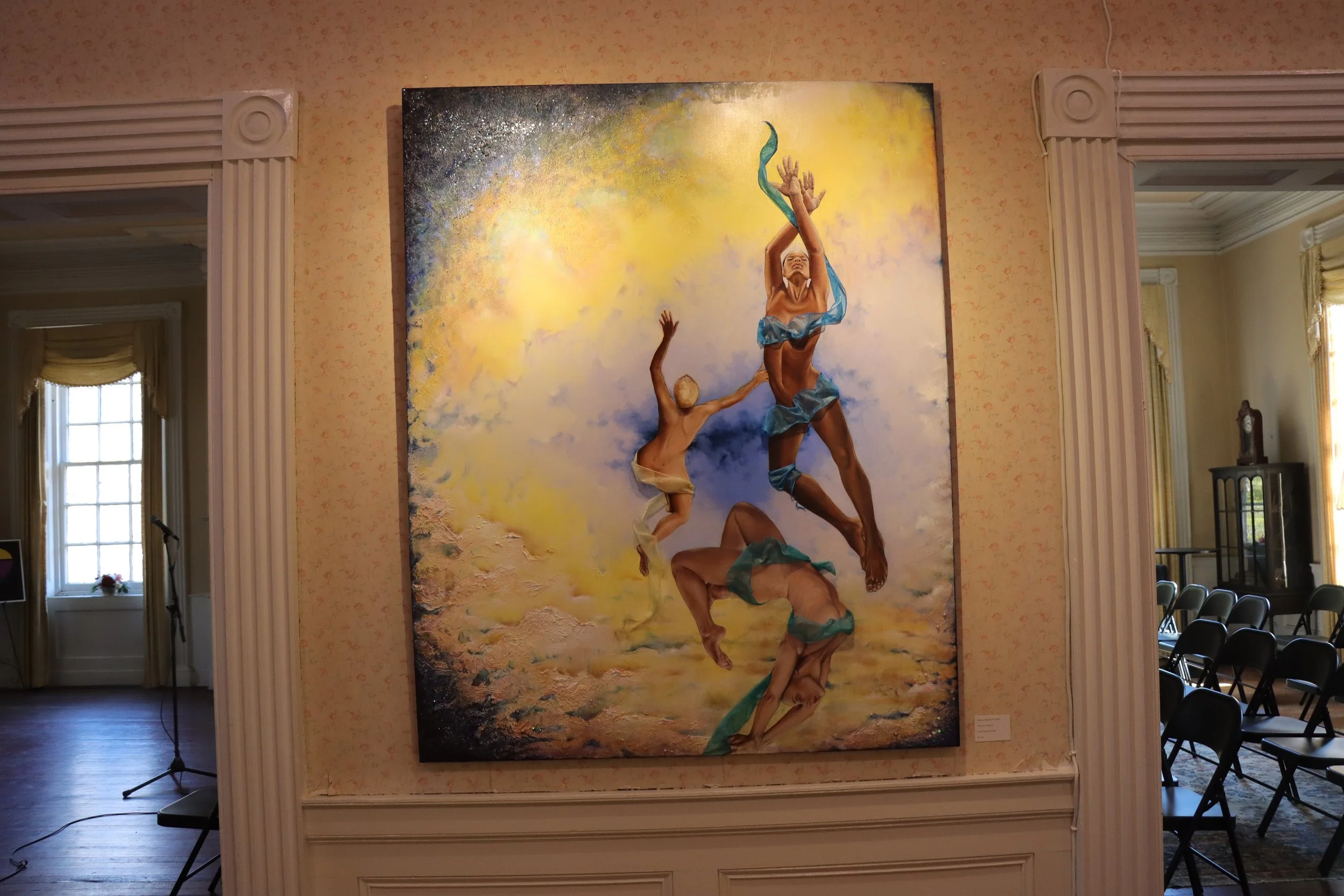
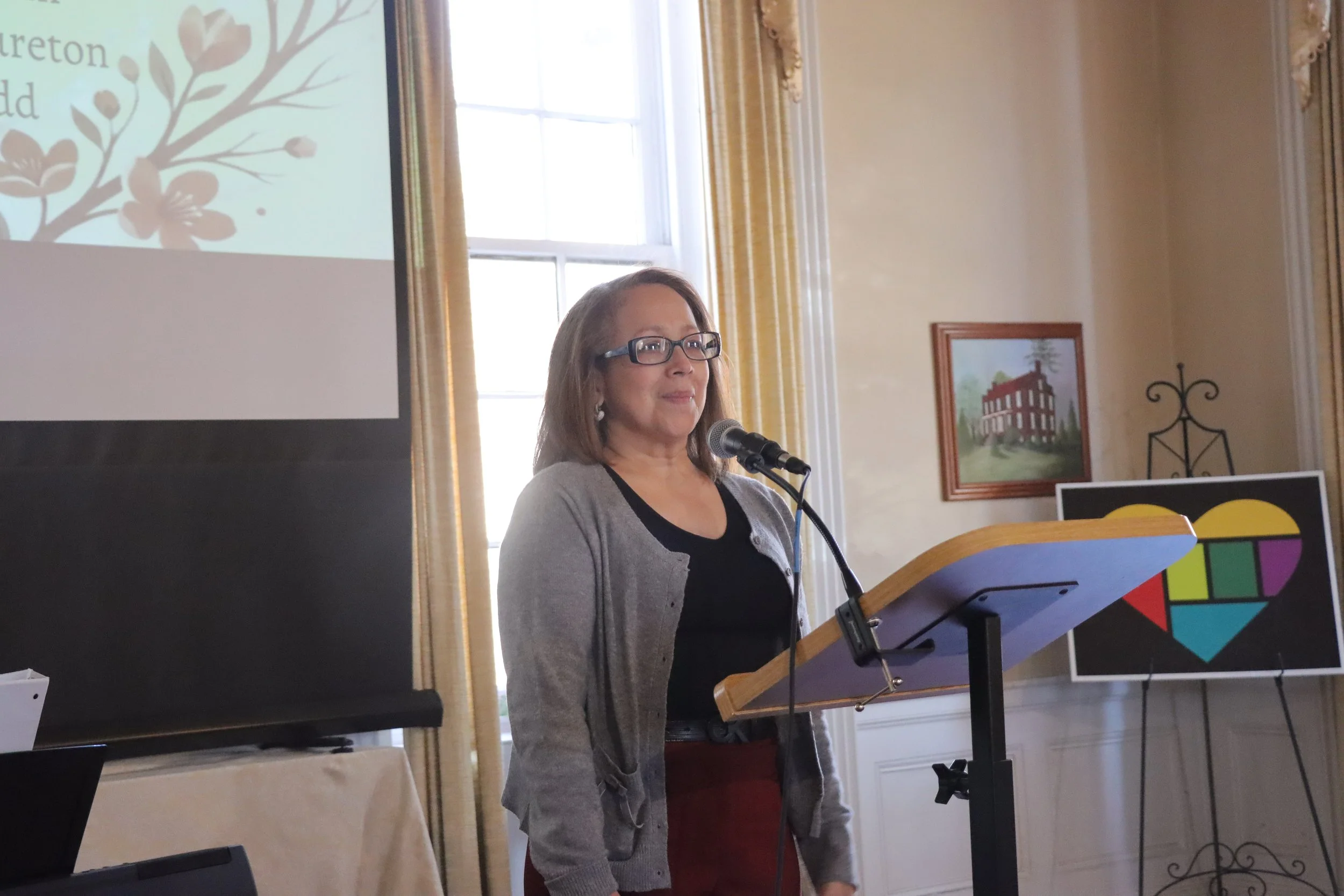
Next invited to take the stage was Jonanne Rogers, back again at HEARTS as she is the founder and director for Nine Eighteen Nine Studio Gallery. Joanne reintroduced the gallery’s mission of supporting local artists and the importance of showcasing local artists across a vast range of visual mediums. She shared her deep appreciation with HEARTS, noting how closely that HEARTS programming aligns with her goals of community engagement and artist support.
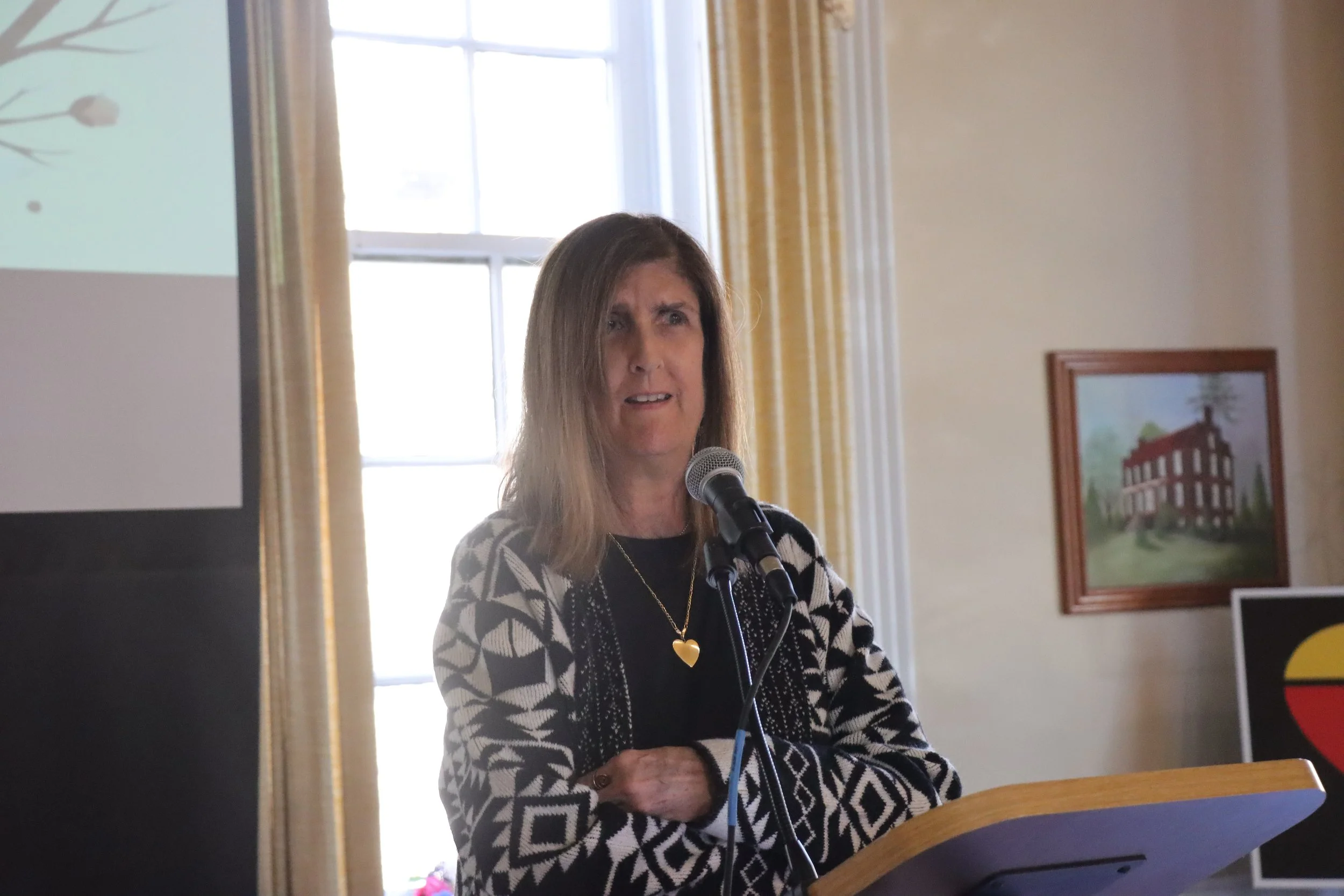
Next Joanne introduced Tina Alberni, who spoke about using bold, vibrant colors to draw attention to endangered animals and environmental dangers, encouraging audiences to think more critically about sustainability, consumption, and their role in protecting our precious planet.
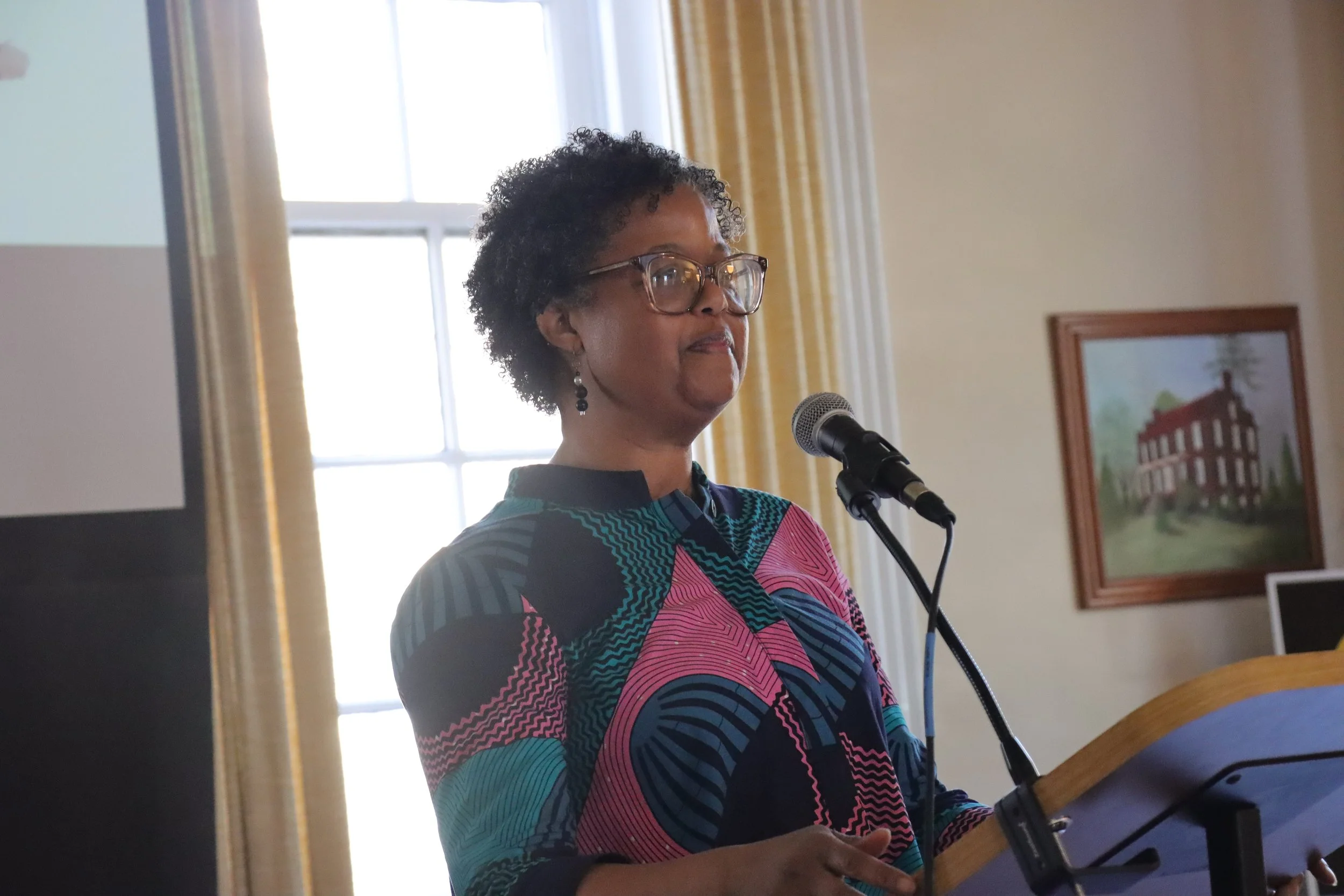
Then Ani Todd took the stage in describing her work as story-driven drawings centered around themes of love and human connection. Her pieces explored love in its many forms, romantic, familial, and divine, using narrative imagery to invite viewers into a larger emotional journey.
One of the afternoon’s central moments came from the rich storytelling from actor and director Michael D. Connor. He gave the audience a compelling portrait of George Moses Horton’s life, from self-taught beginnings to poetic recognition on the UNC campus reminding everyone that Horton’s brilliance was lived, not just merely read about.
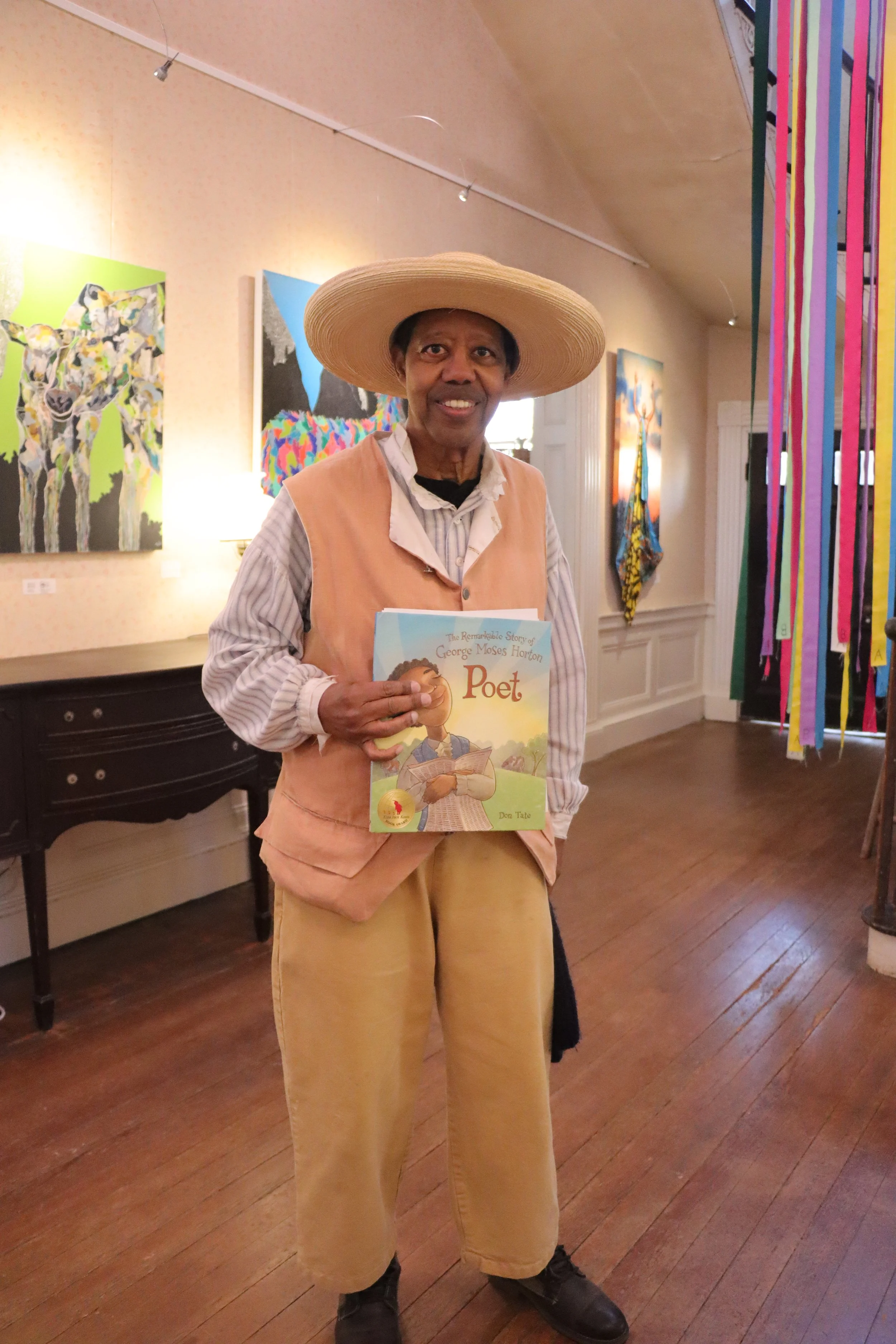
One of the afternoon’s central moments came from the rich storytelling from actor and director Michael D. Connor. He gave the audience a compelling portrait of George Moses Horton’s life, from self-taught beginnings to poetic recognition on the UNC campus reminding everyone that Horton’s brilliance was lived, not just merely read about.
Micheal got started with the impactful story of George Moses Horton, an enslaved North Carolina poet born in 1798 who “taught himself to read and write,” even though “his master would never free him.”
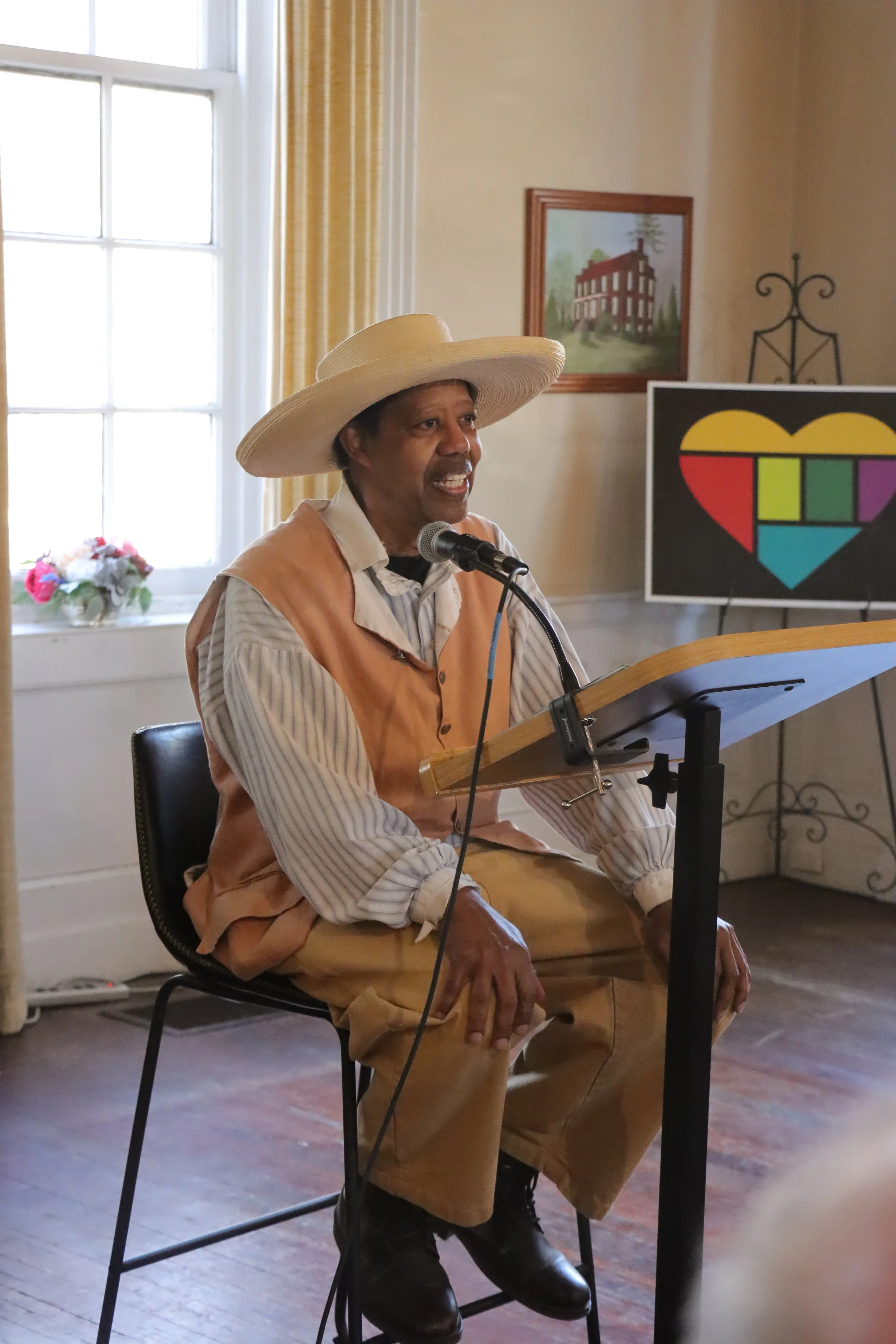
Through excerpts from Poet: The Remarkable Story of George Moses Horton, Michael described how Horton learned by listening in on white children’s lessons, studying by the firelight, and then finding “beautiful poetry” whenever he could.
Horton “loved words,” and began composing verses from memory while he worked out in the fields.
Horton eventually got to the point to where he was selling his poems to students at UNC Chapel Hill, becoming “the first published poem in the south. Despite earning recognition and making some money, Micheal reminded us that Horton was “not free”. Even so that offers that abolitionists to purchase his freedom were refused.
Horton continued his writings even through war, loss, and decades of further enslavement, until he was finally freed in his sixties. As Michael reflected, Horton’s story shows how “words made him strong,” how “words allowed him to dream,” and how, before his freedom, “words loosened the chains of bondage.” that kept him a slave..
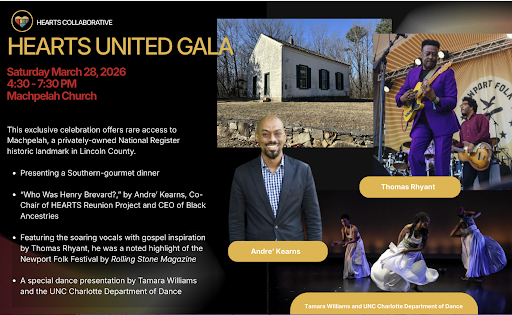
After Micheal’s story on George Moses Horton, HEARTS highlighted its ongoing effort to save Brevard’s Chapel in Denver, a historic landmark currently at risk of demolition. The message was clear “losing the chapel is not an option”, because preserving it means preserving the stories of hope, and the history that is rooted within its walls of the community.
So mark your calendars for March 28th to come see HEARTS United Gala, a place-based celebration featuring music, history, dance, dinner, and a rare opportunity to visit Machpelah Church, a Lincoln County landmark typically open only once a year. Tickets and table reservations available here.
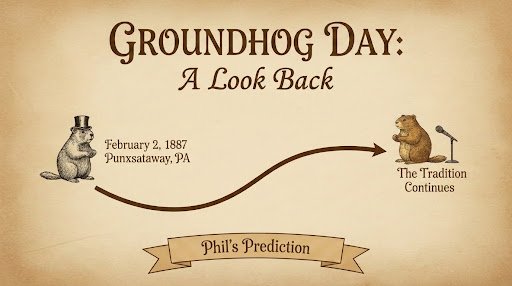
Our February Eco Minute, led by Abigail Jennings, grounded us in the history of nature at a time when winter quietly transitions its way to spring.
Using Groundhog Day as a starting point, Abigail shared that although the first American Groundhog Day occured on February 2, 1887, similar traditions existed across Europe for centuries, using hedgehogs and badgers to predict the coming seasons. These practices trace back to the ancient Celtic festival known as Imbolc which occurs halfway between the winter solstice and spring equinox.
Rather than focusing on what we see in nature, Imbolc honored what was still hidden beneath the surface: seeds underground, early sprouts, and the promise of growth.
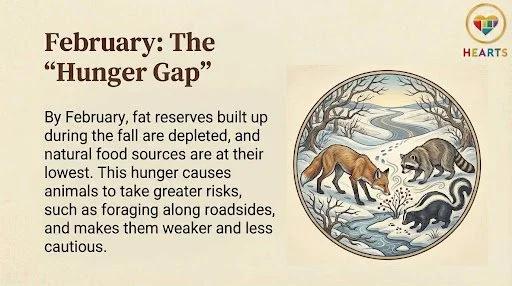
Abigail connected this symbolism to real-life wildlife patterns. February is both mating season and the “hunger gap,” when animals are more active, traveling farther for food and mates, and often crossing roads during early morning and dusk, making it the most dangerous month for wildlife.
She encouraged simple ways to support local ecosystems, like avoiding pesticides and planting native, fruit-bearing species to help replace lost habitats.
Her closing reminder was simple and powerful: February is one of the best months for wildlife watching. If we slow down and really look, we can see how much life is unfolding all around us.
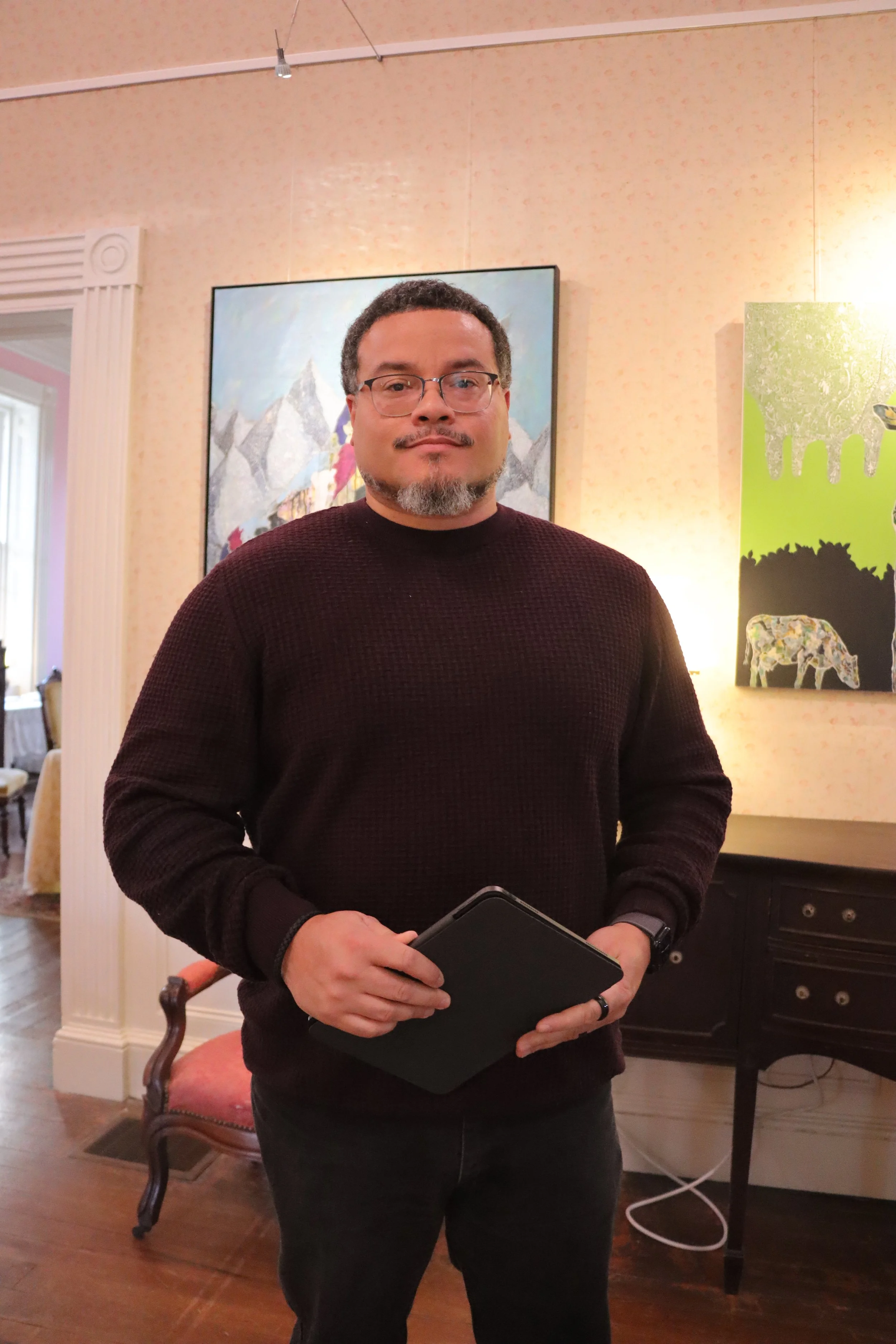
We then welcomed our poet laureate Junious “Jay” Ward who took the stage for his keynote. Junious “Jay” Ward shared a deeply personal reflection on why the life and legacy of George Moses Horton resonates with him on a deep rooted level. He explained that first he didn’t encounter Horton’s work until adulthood, and was struck by learning that Horton was “the first published North Carolina author of literature,” “the first African American to publish a book in the South,” and “the only slave to earn a significant income by selling poems.”
Ward described the moment when he realized that Horton was actually born in the same county where he was raised, saying that discovery made it impossible to ignore “This very accomplished, important, notable poet was from where I’m from? Yeah, I have to learn more.”
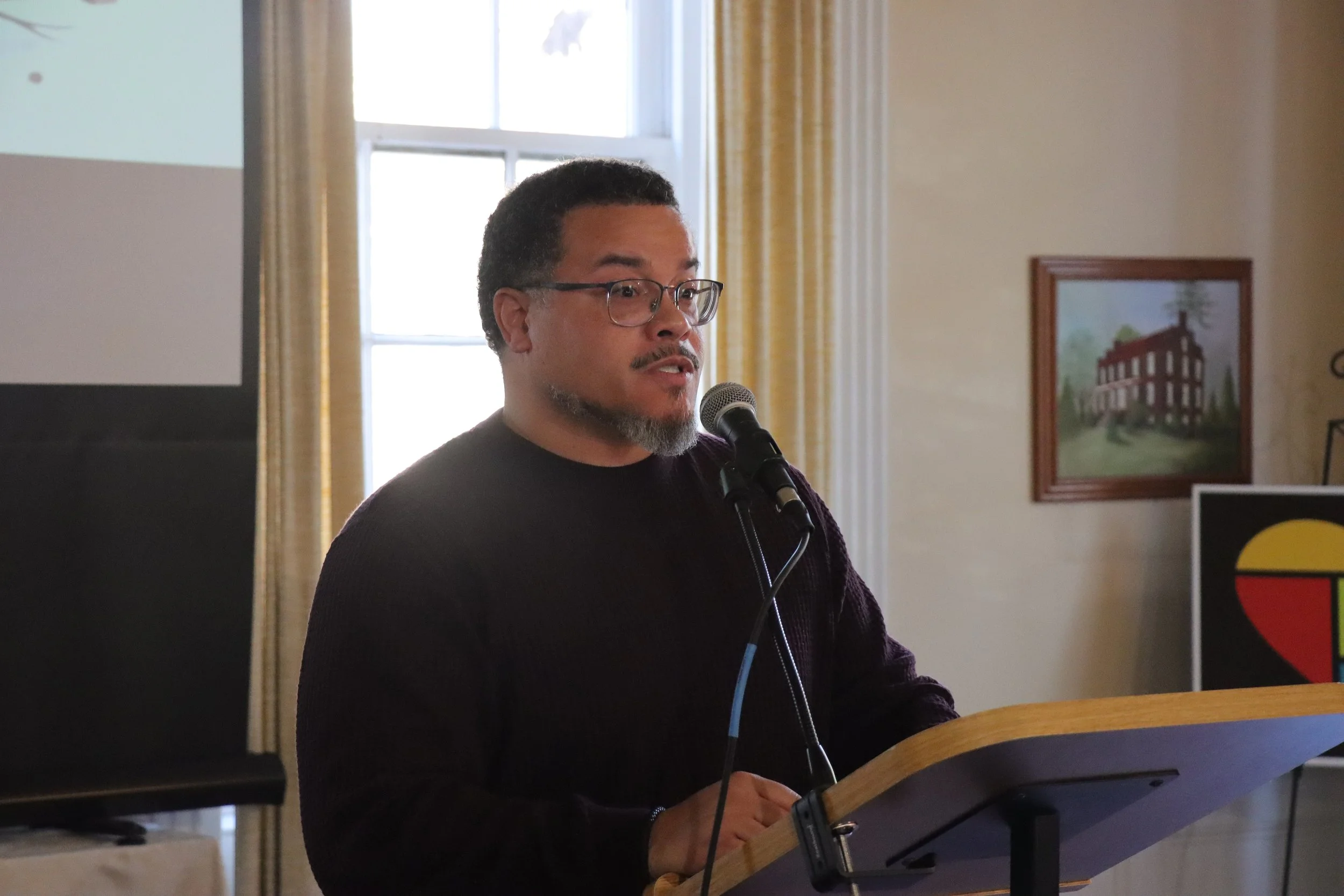
Rather than solely focusing on Horton’s famous love poems, Ward framed his talk around the idea of agency as a path toward self-love. He defined agency as “the ability to choose for ourselves, to act as we choose, and to live independently of the desires or wishes of another,” and argued that even under enslavement, Horton consistently claimed this power through language.
Reading from Horton’s 19th century poem “On Liberty and Slavery,” Ward emphasized how radical it was for an enslaved person to publicly declare “Am I born for this?…deprived of liberty?” At a time when enslaved people were said to be indifferent about freedom, Horton was openly insisting, “No, I want to be free.”
Ward explored Horton’s use of metaphor in poems like “Death of a Carriage Horse,” where the repeated phrase “push along, push along” echoed the demands placed on both the animals and the enslaved. Ward described this not as sorrow, but as “an intense work of defiance,” calling Horton’s writing itself “a beautiful kind of defiance and agency.”
Ward closed his keynote by reflecting on Horton’s final book, “Naked Genius,” and its opening poem “Myself,” in which Horton writes, “My genius from a boy has fluttered like a bird within my heart.” For Ward, this was Horton reclaiming identity, dignity, and authorship over his own life. “This is a reclaiming of personhood,” he said. “This is agency.”
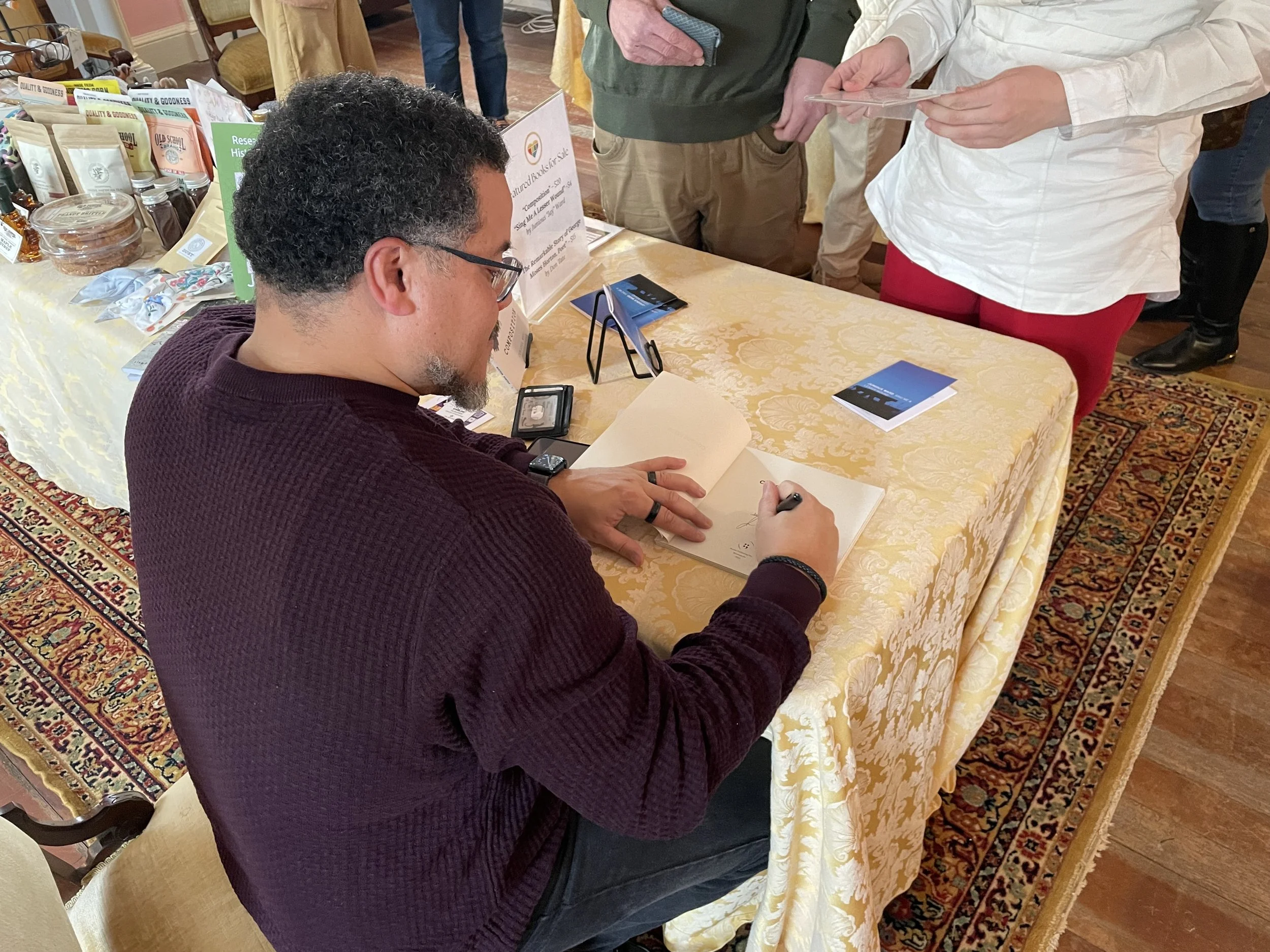
After Junious “Jay” Ward’s remarkable keynote, our event concluded in the Pink Room, where Jay signed and sold out of his poetry books, “Composition” and “
Sing Me A Lesser Wound.”
Thank you to everyone who joined us, to those who made this event possible: our volunteers, HEARTS Circle Members, and our 2026 presenting sponsors, Lake Norman Realty and blueharbor bank, and to all who made HEARTSongs ‘26 a space where love carried through history, art, nature, and community.
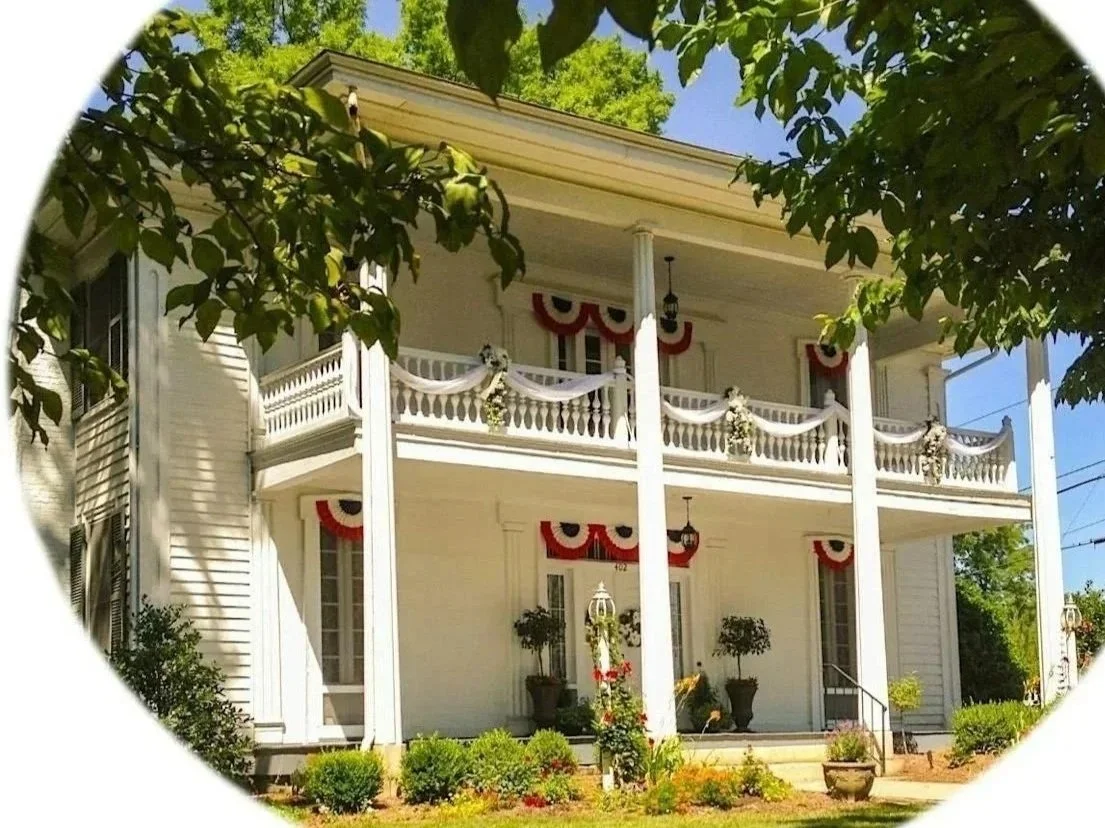
Next up, join HEARTS for our fifth annual Irish Connections, hosted at our newest Affiliate site, the Historic Sharpe House. This special afternoon will explore the Scots-Irish roots that helped shape our region’s history.
Featuring Dr. Hugh Dussek presenting Revolutionary Roots, the Connick Irish Dancers, and live Celtic music with Bottle of Smoke.
A celebration of heritage, community, and place. Get Tickets Here.
We also hope to see you on March 28th at HEARTS United Gala to Save Brevard’s Chapel, offering a rare opportunity to visit Machpelah Church, a Lincoln County landmark typically open only once a year. Tickets and table reservations available here.
