


The Historic Sharpe House

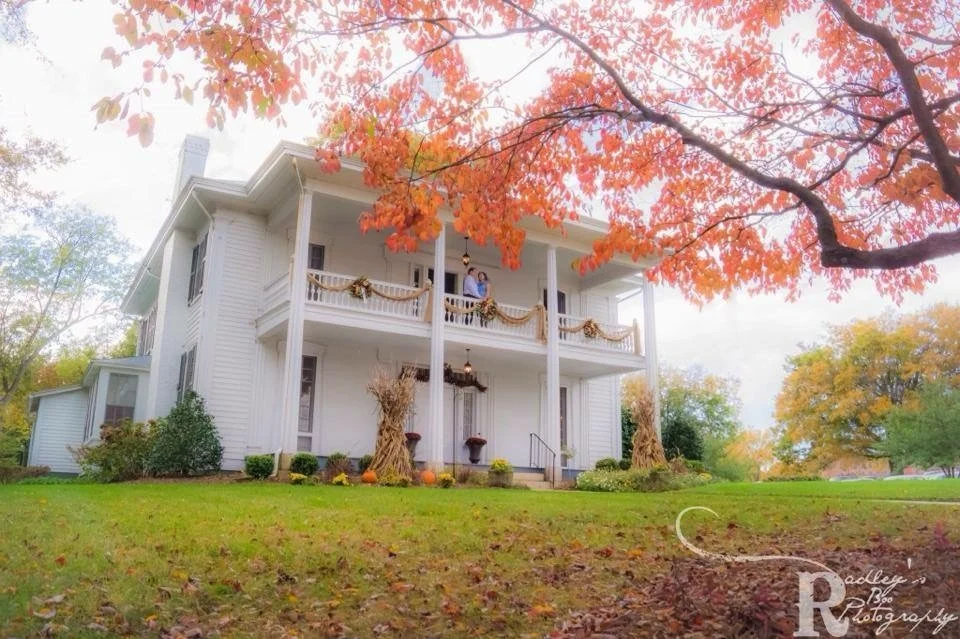
Photo courtesy of the Silas Alexander Sharpe Foundation.
Visiting the historic Sharpe House is like stepping back in time. Built in 1866, the Historic Sharpe House is one of Statesville’s most significant historic homes and a rare surviving example of post–Civil War architecture in the North Carolina Piedmont.
The Sharpe name traces back to William Sharpe (1742–1818), a Revolutionary-era leader whose work helped shape early Statesville. In the 20th century, John and Elizabeth Gray carefully restored and preserved the home, helping secure its place on the National Register of Historic Places, where it continues to be protected and shared today.
The Sharpe House offers visitors a deeper understanding of the people, stories, and traditions that shaped the region. The Sharpe House continues to serve as a place for preservation, learning, and community today.
The Gem of Downtown Statesville
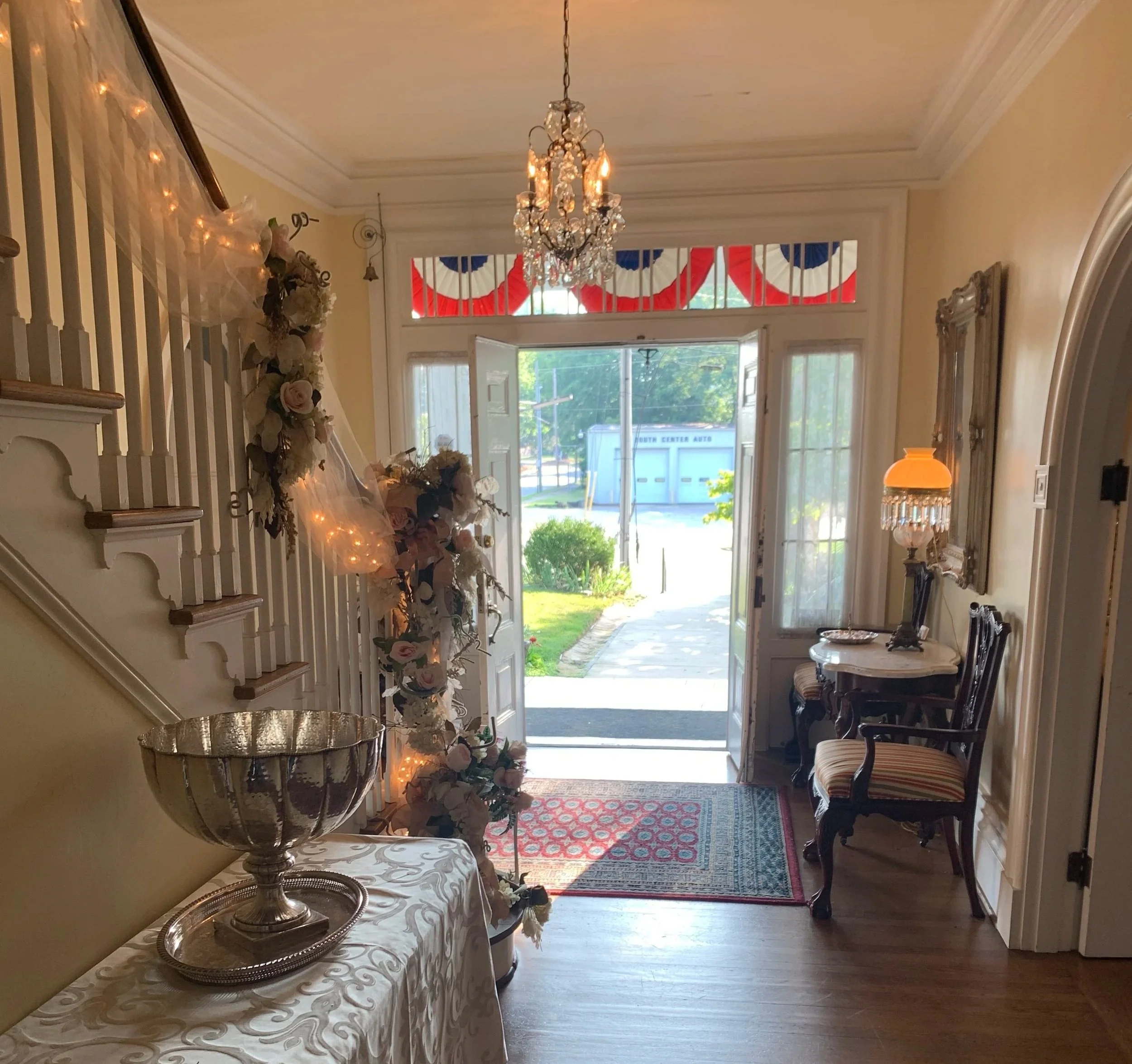
Photo courtesy of the Silas Alexander Sharpe Foundation.
Visitors are welcome to visit the Historic Sharpe House and learn more about its history and significance in Statesville. Throughout the year, the Sharpe House hosts a variety of events and programs that bring history to life. From seasonal celebrations to lectures and cultural gatherings, events at the Sharpe House create opportunities for learning, connection, and community engagement.
The Historic Sharpe House Annual Burns Night was highlighted by Our State magazine, recognizing the site’s annual Burn’s Night celebration and its role in preserving cultural traditions and fostering community connections in Statesville, NC.
Events and Tours at the Sharpe House
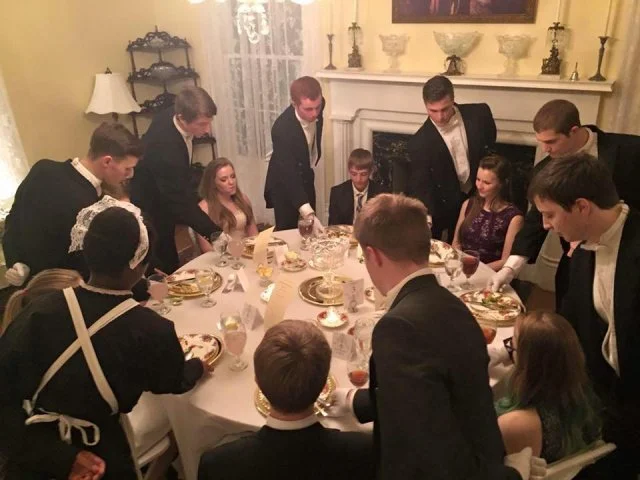
Photo courtesy of the Silas Alexander Sharpe Foundation.
The “Footmen of the Sharpe House” is a premier youth development program cultivating essential skills and service excellence designed for young people aged 8 to 18, utilizing the historic estate to foster character, impart practical life skills, and instill a strong work ethic.
The Footmen of The Sharpe House
Preserving the historic Sharpe House requires ongoing care and community support. Contributions help maintain the home, support educational programming, and ensure this important historic site remains accessible to future generations.