


Sharpe House History

Built in 1866, just after the Civil War, the Historic Sharpe House stands as one of Statesville’s most significant surviving homes from the Reconstruction era. At a time when the town was rebuilding and redefining itself, the Sharpe House reflected ambition, craftsmanship, and a forward-looking vision uncommon for the region.
Its scale, design, and attention to detail set it apart from other homes of the period and made it a local landmark almost from the beginning.
A Mid‑19th Century Landmark
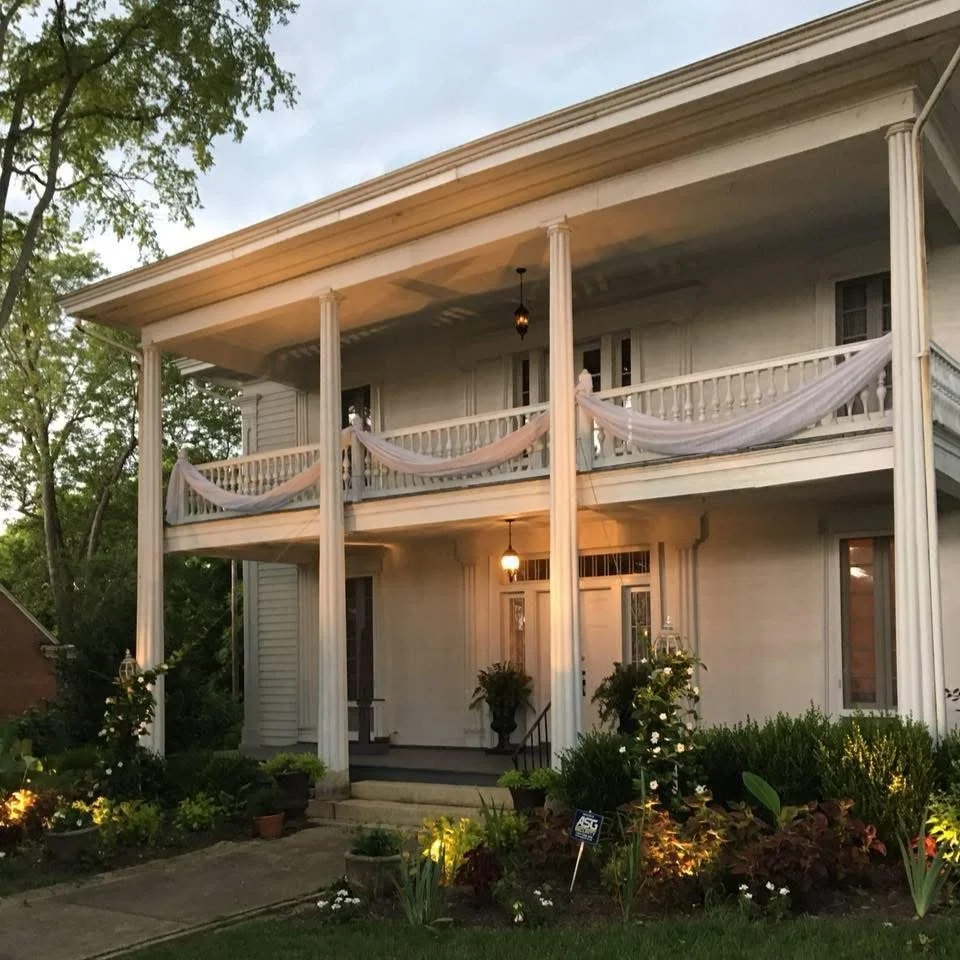
Photo courtesy of the Silas Alexander Sharpe Foundation.
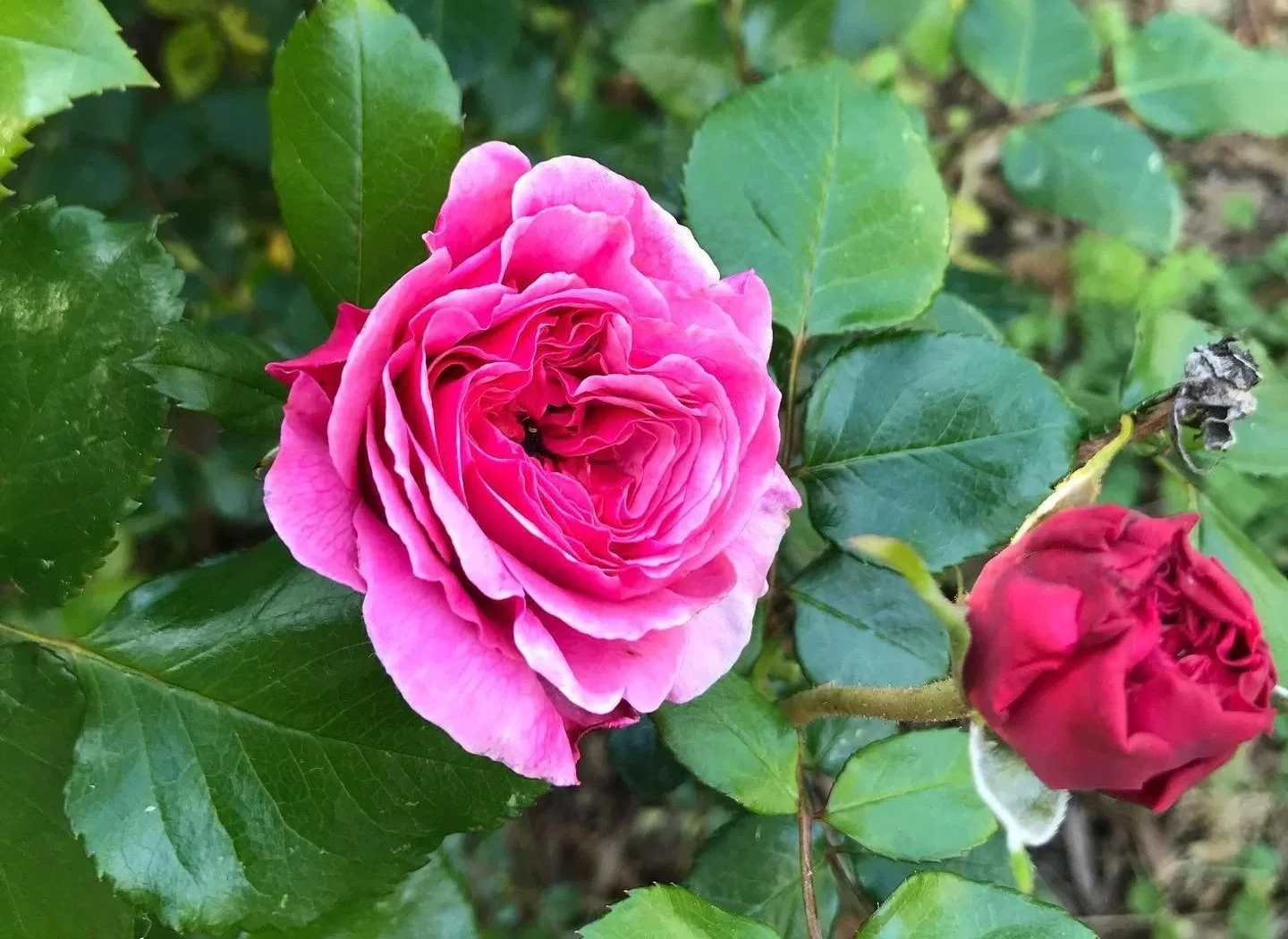
Photo courtesy of the Silas Alexander Sharpe Foundation.
Construction to build the Sharpe House likely began in the 1850s, but progress was interrupted by the Civil War. Shortages of materials and labor slowed construction, and it was not until 1866 that the Sharpe family could make it their home. Local tradition even holds that a bullet fired by a Union soldier during Stoneman’s Raid in 1865 remains lodged in the front door lintel—a physical connection to the upheavals of that era.
When completed, the Sharpe House was the centerpiece of a 13‑acre estate with gardens, orchards, pastures, and a branch of Fourth Creek. The property functioned much like a self‑sustaining farm, with livestock and productive landscape elements surrounding the home.
The house’s layout, a central hallway flanked by rooms on both levels, large windows, and deep portico was designed for comfort and climate. As time went on, later additions like French doors and arched interior openings reflected changing tastes and influences.
Construction Through Conflict
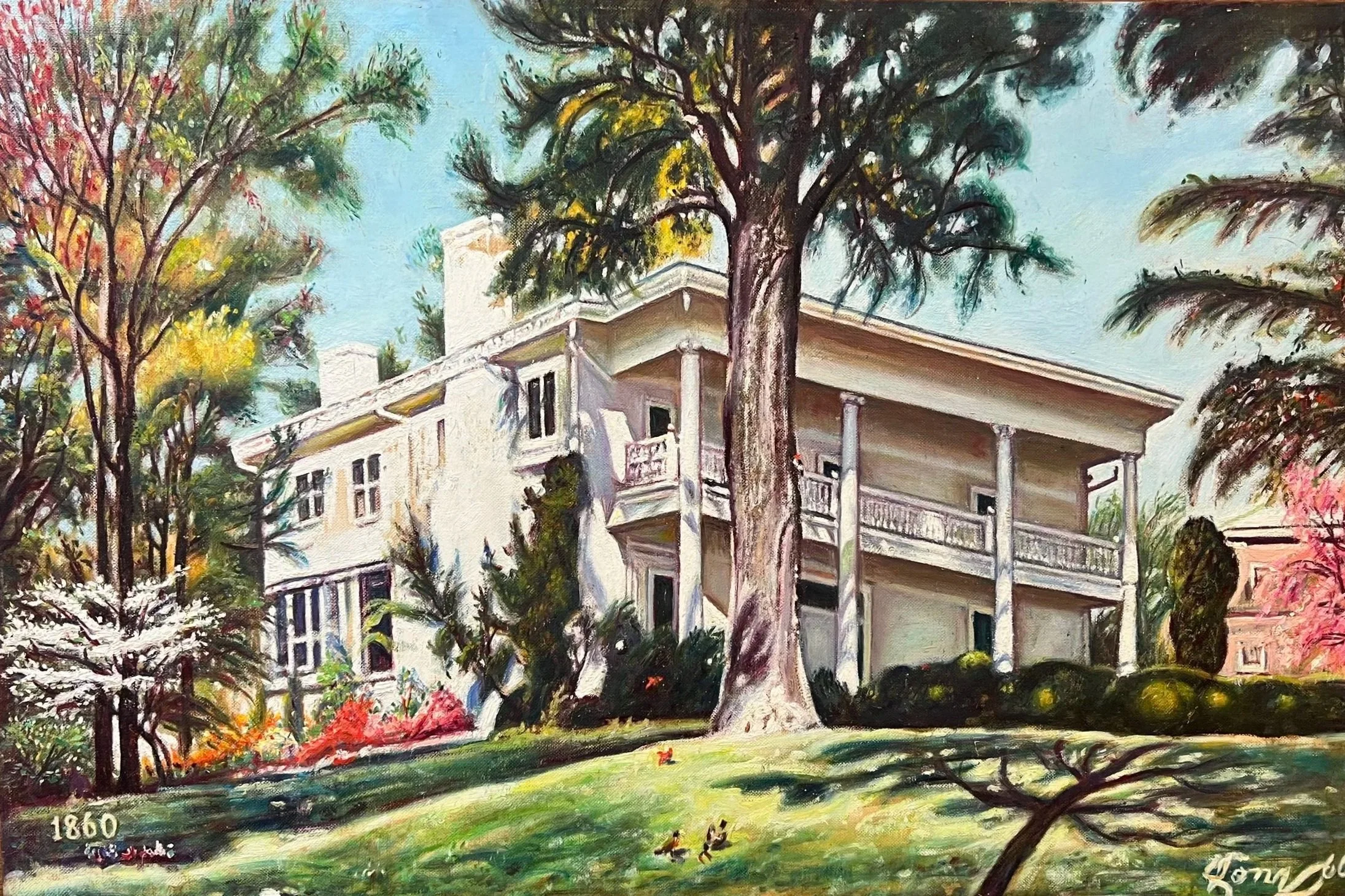
Photo courtesy of the Silas Alexander Sharpe Foundation.
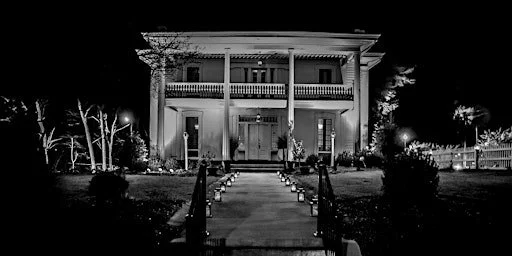
The Sharpe House’s Classical Revival design includes a dramatic front portico, clustered columns, and a balanced, symmetrical layout, features uncommon in the Piedmont at the time. These architectural qualities helped distinguish the house as a local landmark and express broader cultural currents in 19th‑century America.
This painting of the Sharpe House is by Reverend McKendree “Mac” Robbins Long, a notable Statesville artist and minister. Reverend Long studied at the Art Students League in New York and won a scholarship to Europe. He traveled around Holland, Spain, and England, then returned to the United States to work as a portrait painter.
In 1922, he gave up painting to become a minister and spent thirty years traveling around the country, preaching at prayer meetings and revivals. After he retired, he created large, detailed paintings inspired by scripture, including many stories of the Apocalypse. More details.
Architecture That Endures
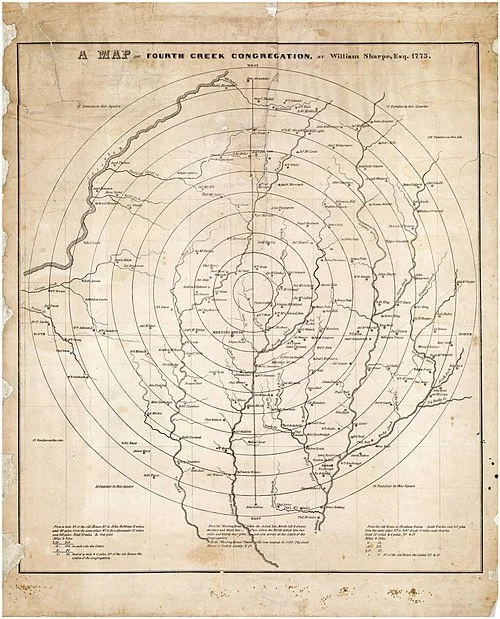
A bullseye map of the Fourth Creek Congregation, by William Sharpe, Esq. 1773
The Sharpe House reflects a period of growth and change in Statesville, NC following the Civil War. Built for the Sharpe family, its scale, design, and craftsmanship set it apart from other historic homes in the area and make it a lasting link to the area’s social, cultural, and architectural history.
William Sharpe and the Sharpe Family Legacy
William Sharpe (1742–1818), great uncle of Col. Silas Alexander Sharpe, was among the region’s earliest and most prominent settlers, whose life and leadership helped shape the community that would become Statesville. Born in Cecil County, Maryland, Sharpe moved to North Carolina in the 1760s, establishing himself as a lawyer, surveyor, and magistrate in what was then Rowan County (later Iredell County). His work as secretary of the Rowan County Committee of Safety and his participation in several Provincial Congresses placed him at the heart of North Carolina’s efforts leading up to and during the Revolutionary War. In 1779, he was elected to serve as a delegate to the Continental Congress, representing North Carolina in the national governing body.
Sharpe also used his skills as a surveyor to document early settlement patterns. In 1773, he created the map of the Fourth Creek Congregation, detailing the settlement around what is now Statesville and promoting the establishment of additional Presbyterian churches in the area.
While William Sharpe himself did not build The Historic Sharpe House, his leadership, landholdings, and family prominence provided the foundation for the Sharpe name in the community. His descendants continued to be influential locally, and through them the name became linked to the Classical Revival home that stands today.
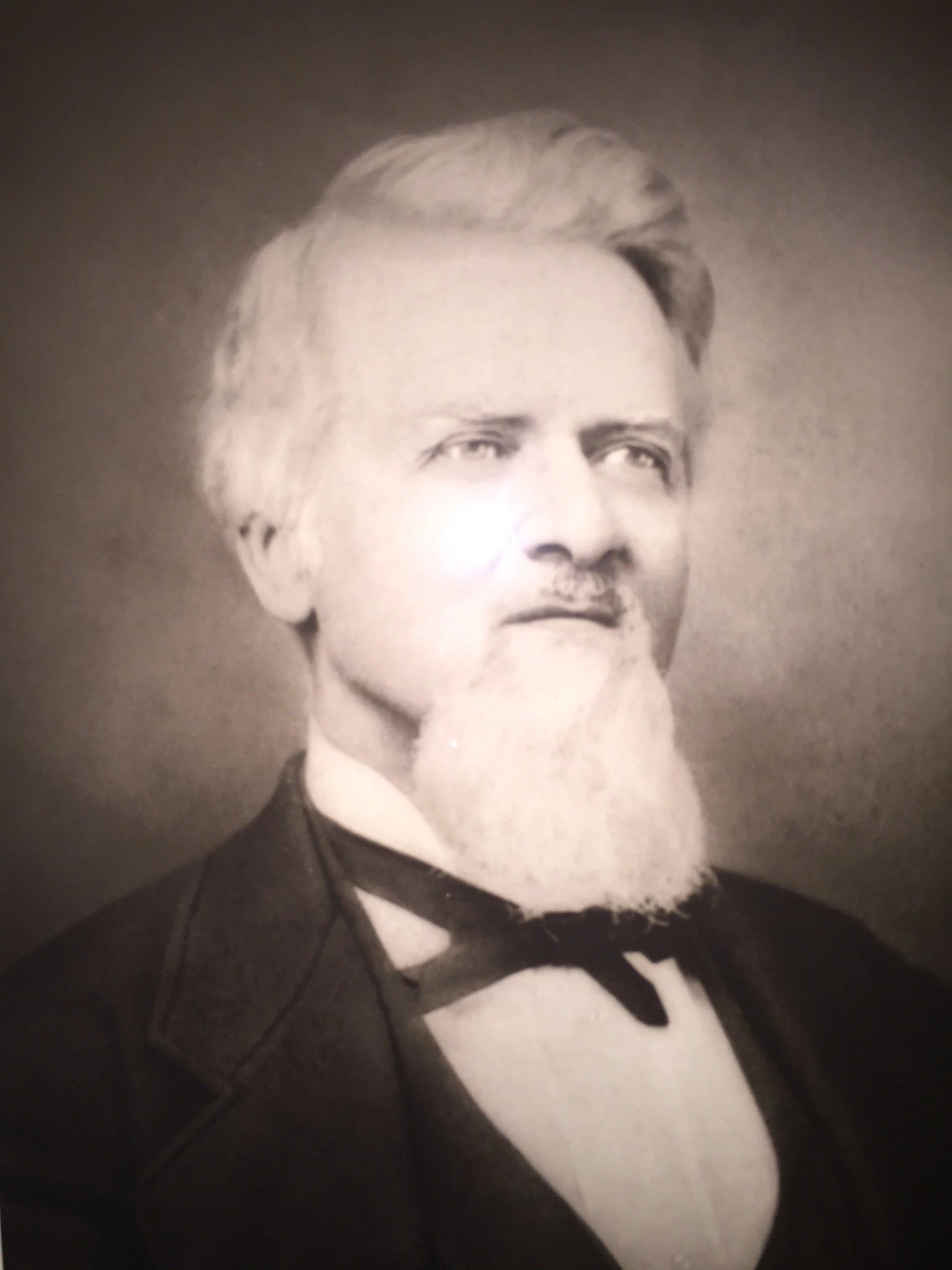
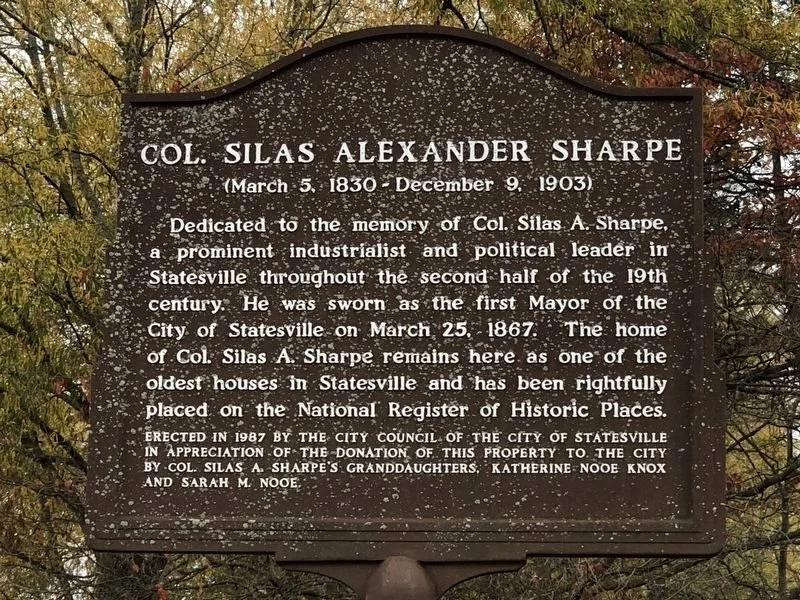
Col. Silas Alexander Sharpe
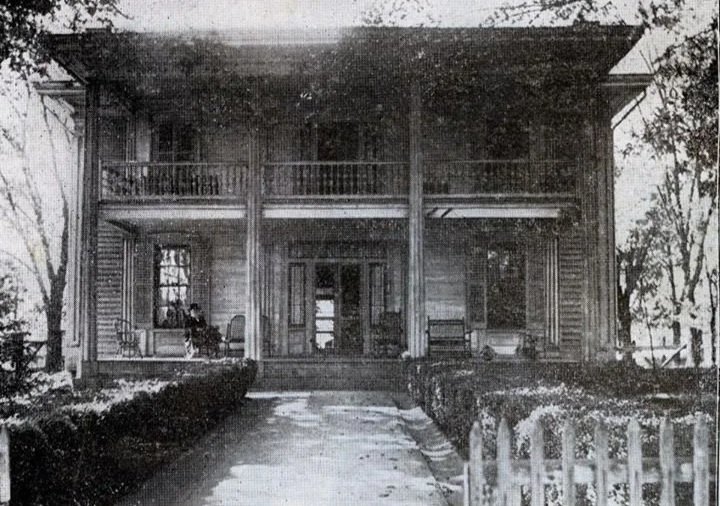
Late 19th-century photo of Col. Silas Alexander Sharpe rocking on the Sharpe House front porch - Photo courtesy of Silas Alexander Sharpe Foundation.
The Gray Family’s Preservation of the Sharpe House
Photo courtesy of the Silas Alexander Sharpe Foundation.
After more than six decades in Sharpe family hands, economic pressures of the Great Depression led to the sale of the property. By 1938 the house had passed into the ownership of John H. Gray, Jr. and his wife Elizabeth Gray.
The Grays became pivotal custodians of the house during the mid-20th century. They immediately began a restoration of the interior, taking care to highlight the architectural character of the home while making thoughtful enhancements. On the exterior, the long windows on both levels of the front portico were replaced with French doors, giving the façade a slightly different presence while preserving its classical elegance. Inside, they introduced arched doorways on the main floor, a design element inspired by the Federal style more common in the Washington, D.C. region, where Mrs. Gray had grown up.
The Grays were avid world travelers and collectors of antiques, and the house became not just a restored residence but also a showcase for their fine collections. Their stewardship helped maintain the property’s structural and aesthetic integrity at a time when many historic homes were altered beyond recognition or lost.
In recognition of its historical and architectural significance, from its mid-19th century construction to its preservation in the 20th century. The Historic Sharpe House was listed on the National Register of Historic Places in 1980.
Preserving the Historic Sharpe House requires ongoing care and community support. Contributions help maintain the home, support educational programming, and ensure this important historic site remains accessible to future generations.